Situated at the foothills of the majestic Serra do Marão, where snow often falls in winter, Vila Real is a small yet vibrant city and the historic capital of the Trás-os-Montes region. Founded by King Dinis in 1289, it has played an important role in Portugal’s history, notably as the birthplace of the explorer Diogo Cão, the first European to reach the Congo River.
Population: 52.500 inhabitants
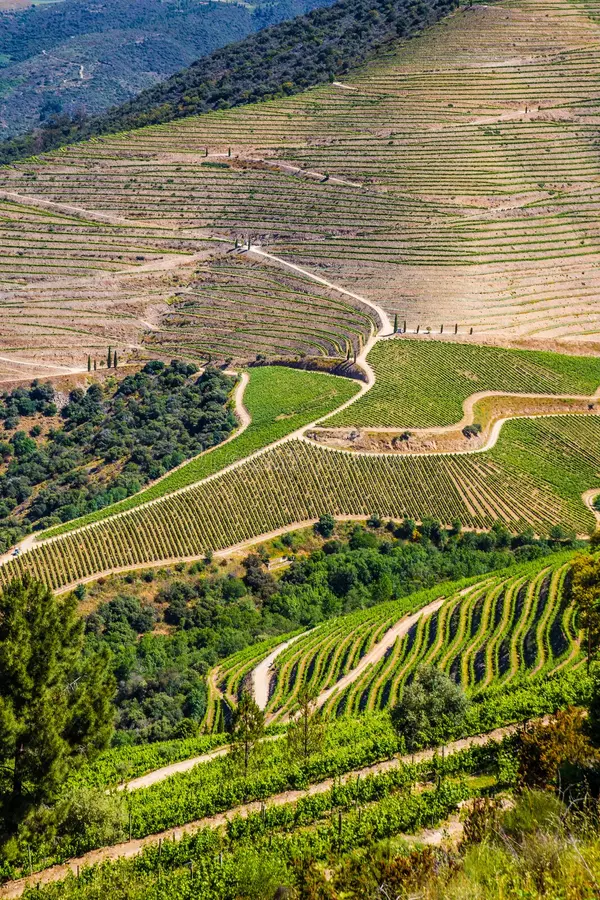
From the 16th and 17th centuries onward, Vila Real became a favored residence for aristocratic families, who built grand palaces and stately homes that still define the city’s character today. These elegant buildings, adorned with coats of arms, Manueline windows, and wrought-iron balconies, reflect its noble past. The city also serves as an excellent base for exploring the Douro Valley and following the famous Port Wine Route. Along the way, be sure to sample local specialties such as cristas de galo and cavacórios, or enjoy traditional dishes featuring regional ingredients like lamb, veal, wild rabbit, and cod.
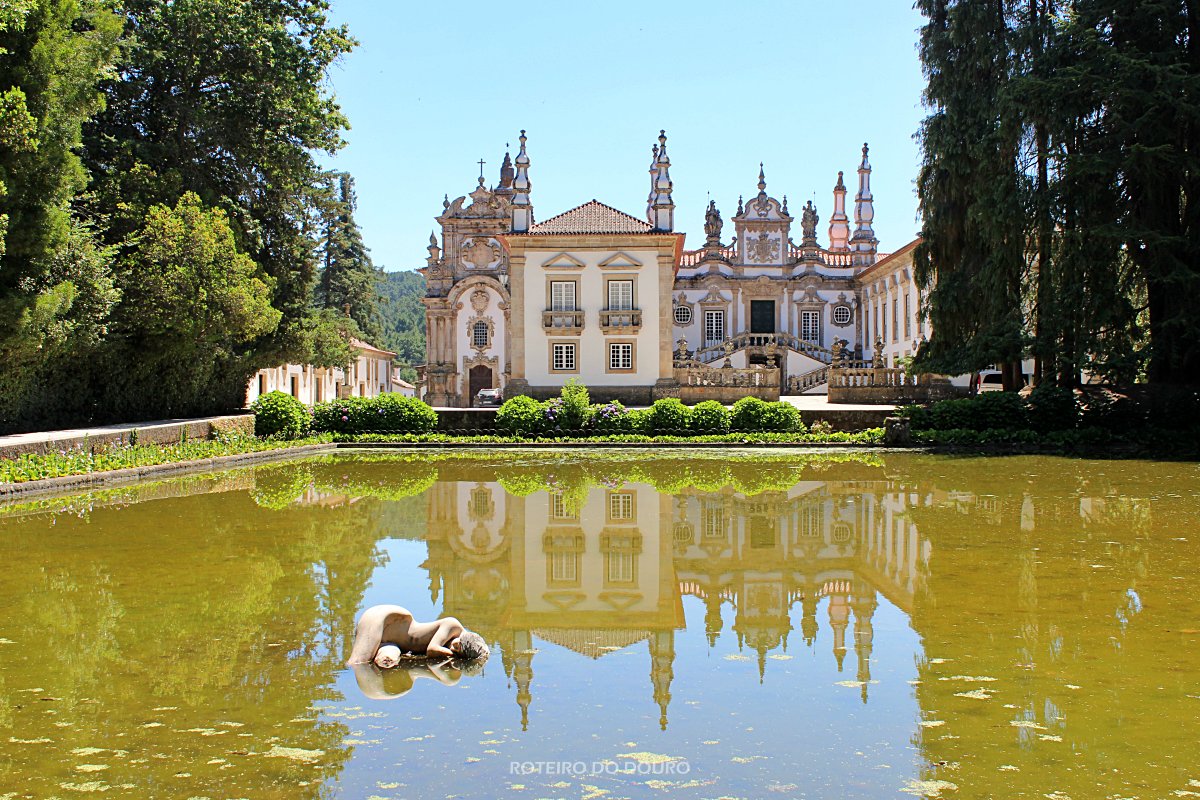
Evidence of earlier settlements can still be seen at the Sanctuary of Panóias, an important Roman site that is well worth a visit. Other notable landmarks include the 15th-century Gothic Cathedral, once part of a Dominican monastery; the Baroque Church of São Pedro, with its richly carved and gilded wooden ceiling; and the Capela Nova, attributed to Nicolau Nasoni, decorated with beautiful 18th-century azulejos. Just outside the city, the iconic Mateus Palace, built in 1745, stands as one of Portugal’s finest examples of Baroque architecture and is famously depicted on the label of Mateus rosé wine.
Regional delicacies
Cristas de Galo; Pitos de Santa Luzia; Cavacórios; Gancha; Bacalhau com broa; Cabrito assado à Serrana
One of Vila Real’s most distinctive cultural treasures is the Olaria Negra de Bisalhães, recognized by UNESCO as Intangible Cultural Heritage. This traditional black pottery is crafted through a meticulous process: the clay is finely ground, purified, shaped on the wheel, and decorated before being fired in open-air kilns. A visit to the village of Bisalhães offers a rare opportunity to witness this centuries-old craft firsthand, though it remains a tradition at risk of disappearing.
Not to be missed ...
Sanctuary of Panóias; Quintela Tower; Vila Real Marquis House; San Pedro Church; Calvary Chapel; Mateus Palace; Saint Bras Chapel; Sé Cathedral of Vila Real and Saint Domingos Convent; Saint Miguel da Pena Necrópolis; New Chapel; Archeological Museum