A land of fertile soils and abundant orchards, Alcobaça has, over the centuries, become one of the most important agricultural regions in Portugal. Its rich landscape continues to sustain a strong connection between tradition, productivity, and the local way of life.
Population: 56.500 inhabitants
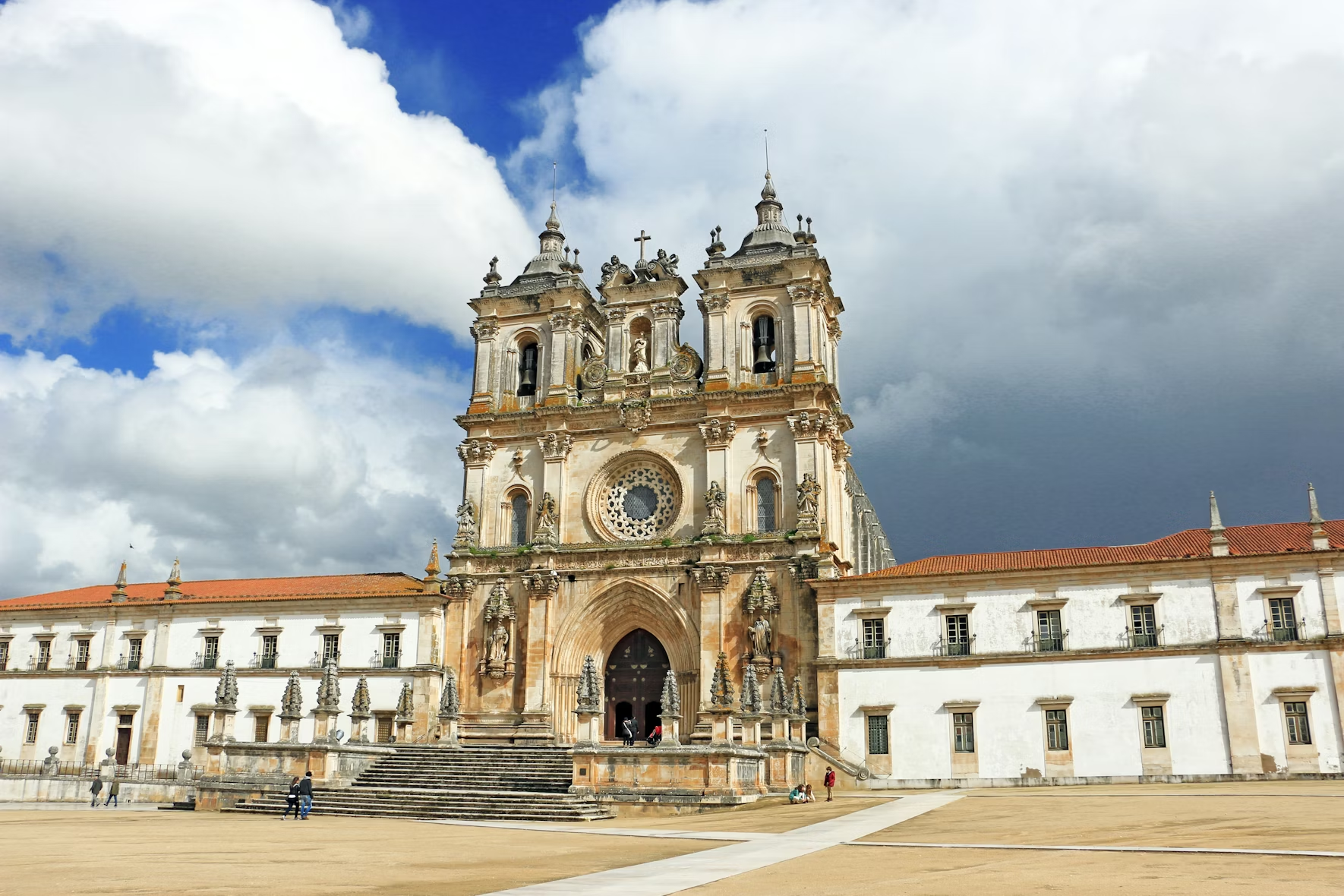
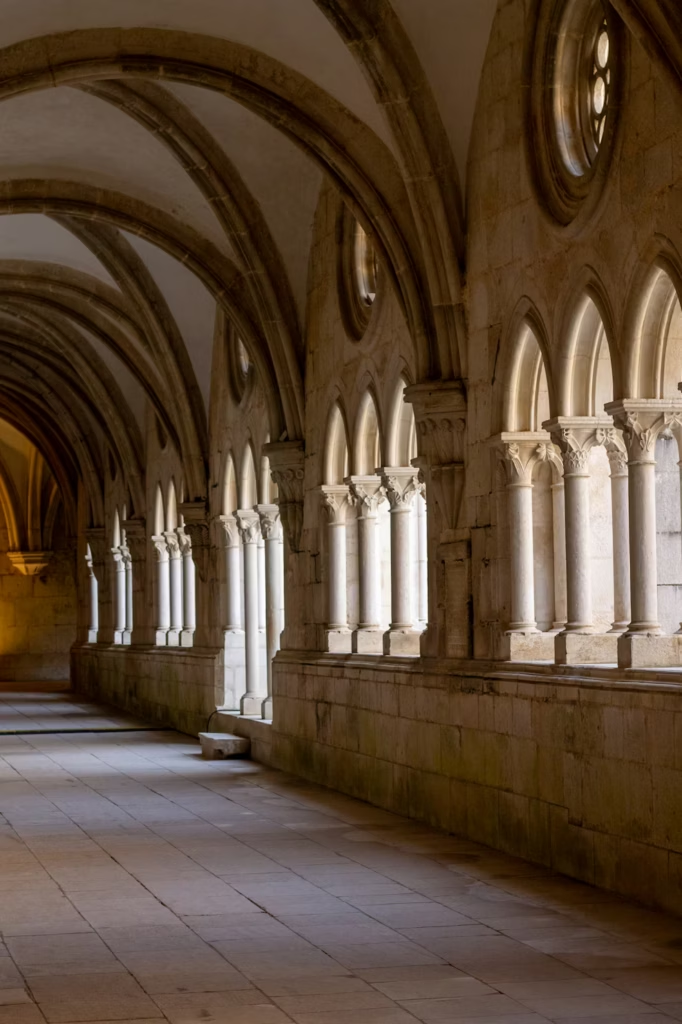
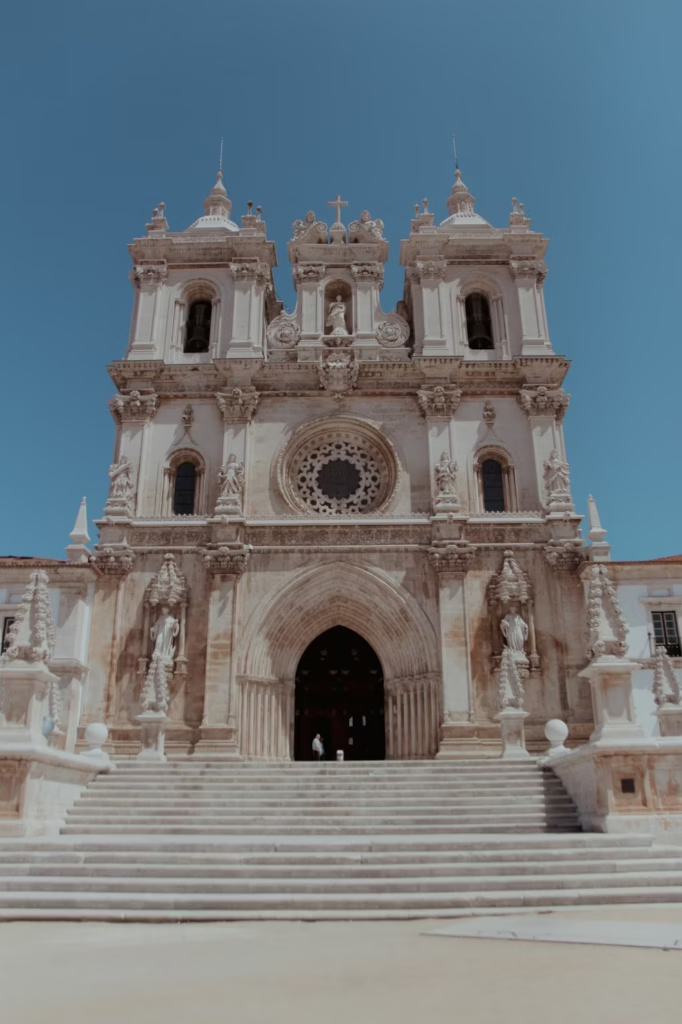
The history of Alcobaça is deeply intertwined with the presence of the Cistercian Order, which remained here for more than 600 years. In 1153, Portugal’s first king, Afonso Henriques, granted the land to the monks, who built one of the largest Cistercian monasteries in the world at the confluence of the Alcoa and Baça rivers, from which the town takes its name. Although the origins of Alcobaça date back to Roman times, it was also shaped by the influence of Arab occupation, traces of which can still be found across the region.
During the Middle Ages, the Monastery of Alcobaça rivaled the great Cistercian abbeys of Europe and governed one of the largest private domains in the kingdom. Beyond its religious and administrative importance, it is also the resting place of King Pedro I and Inês de Castro, whose tragic and forbidden love story remains one of the most poignant in Portuguese history.
Regional delicacies
Delicia de Frei João; Trouxas de ovos; Broinhas de Alcobaça; Barrigas de Freira; Frango na Púcara; Cherne à Frei João
Tradition holds that the Castle of Alcobaça was originally built by the Visigoths, although archaeological evidence suggests earlier Roman occupation. Strategically positioned, it formed part of a defensive line that supported the Christian reconquest of Muslim territories. Today, the castle offers a privileged viewpoint over the monastery and the surrounding landscape, while the town itself unfolds in a harmonious blend of streets and houses that frame this remarkable monumental complex.
Not to be missed ...
Monastery of Alcobaça; the Castle; Serras de Aire e Candeeiros Natural Park