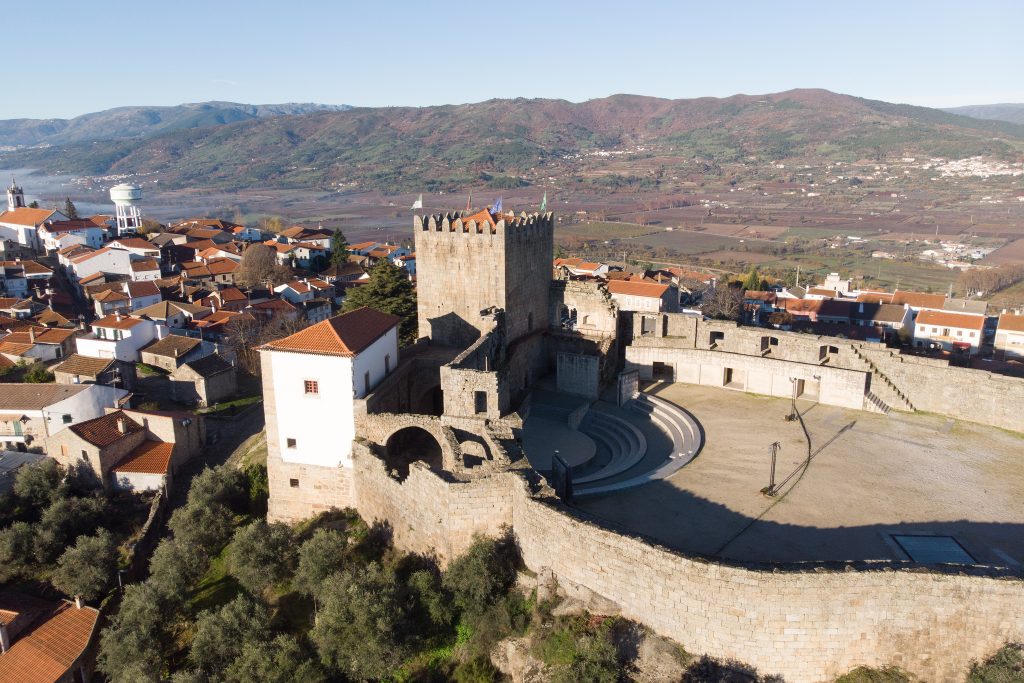
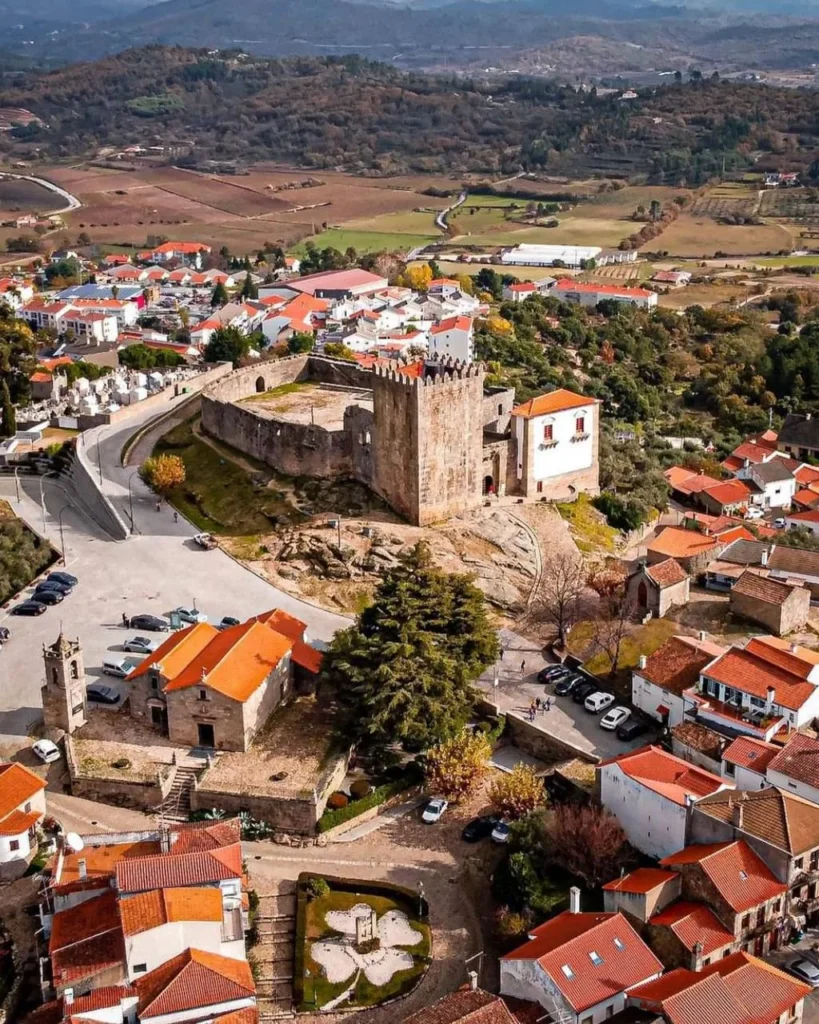
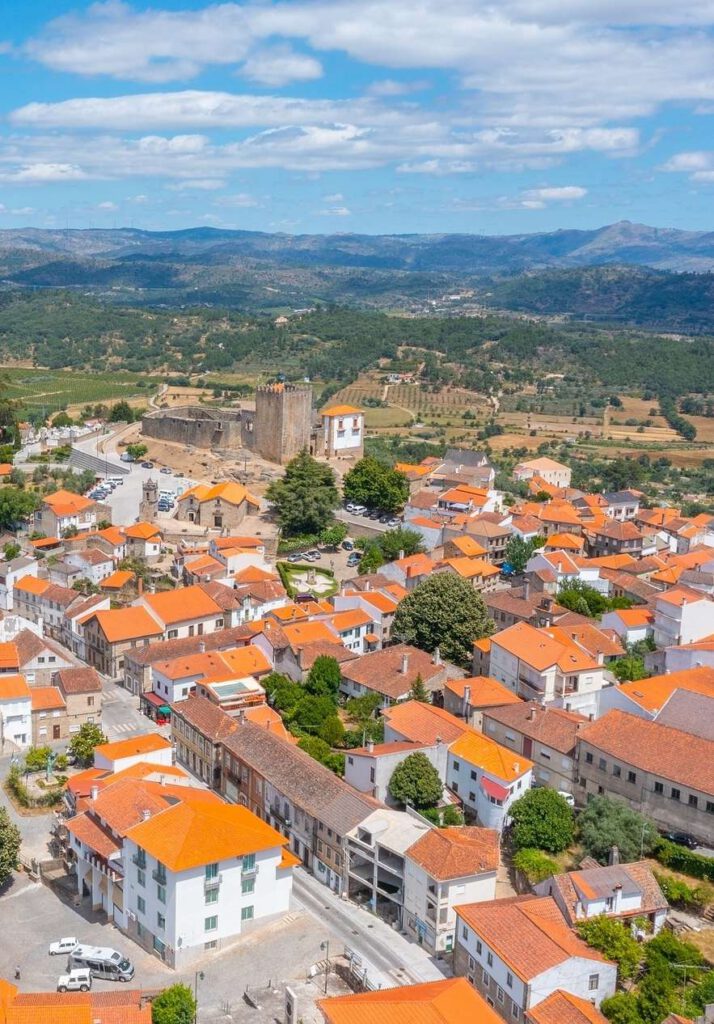
The birthplace of Pedro Álvares Cabral, the navigator credited with the discovery of Brazil, the village of Belmonte lies in the Cova da Beira region, overlooking the eastern slopes of the Serra da Estrela. Its elevated position offers sweeping views that fully justify its name, often interpreted as “beautiful hill,” though some trace its origin to the Latin “belli monte,” meaning “mount of war.”
Population: 3.500 inhabitants
Human presence in this area dates back to prehistoric times, as evidenced by sites such as the Antas and the Castros of Caria, which attest to early settlement in pre and protohistoric periods. The Roman Empire was drawn to the region’s mineral and agricultural wealth, quickly recognizing its strategic and economic value. Their legacy endures in remarkable remains like the Torre de Centum Cellas and the Villa of Quinta da Fórnea.
Belmonte’s recorded history begins in the 12th century, when it was granted a foral by King Sancho I of Portugal in 1199. Despite its inland location, the village is closely tied to the Portuguese Maritime Discoveries. It is intrinsically linked to the Cabral family, as it was here that Pedro Álvares Cabral was born before leading the 1500 expedition to India, during which Brazil was officially discovered. The imposing Belmonte Castle stands as a reminder of its defensive importance, once forming part of a network of fortresses protecting the kingdom’s eastern frontier.
Regional delicacies
Cabrito Assado; Chanfana; Borrego assado no forno; Arroz-Doce; Bolo de Canela
By the 13th century, Belmonte had become a thriving community of both Christians and Jews, reflected in the presence of two principal churches dedicated to St. James and St. Mary and a synagogue, which today also functions as a museum while remaining active. The Jewish community played a vital role in the town’s commercial development, maintaining their traditions in secrecy during the Spanish Inquisition. The legacy of these Crypto Jews endures to this day, making Belmonte a unique and meaningful destination for those interested in history, culture, and identity. A sunny and welcoming place, it offers breathtaking landscapes, rich heritage, and centuries of living history.
Not to be missed ...
Castle; Discoveries Museum; Jewish Belmonte Museum; Centum Cellas Tower; Santiago Church and Cabrais Pantheon; Synagogue; Parish Church