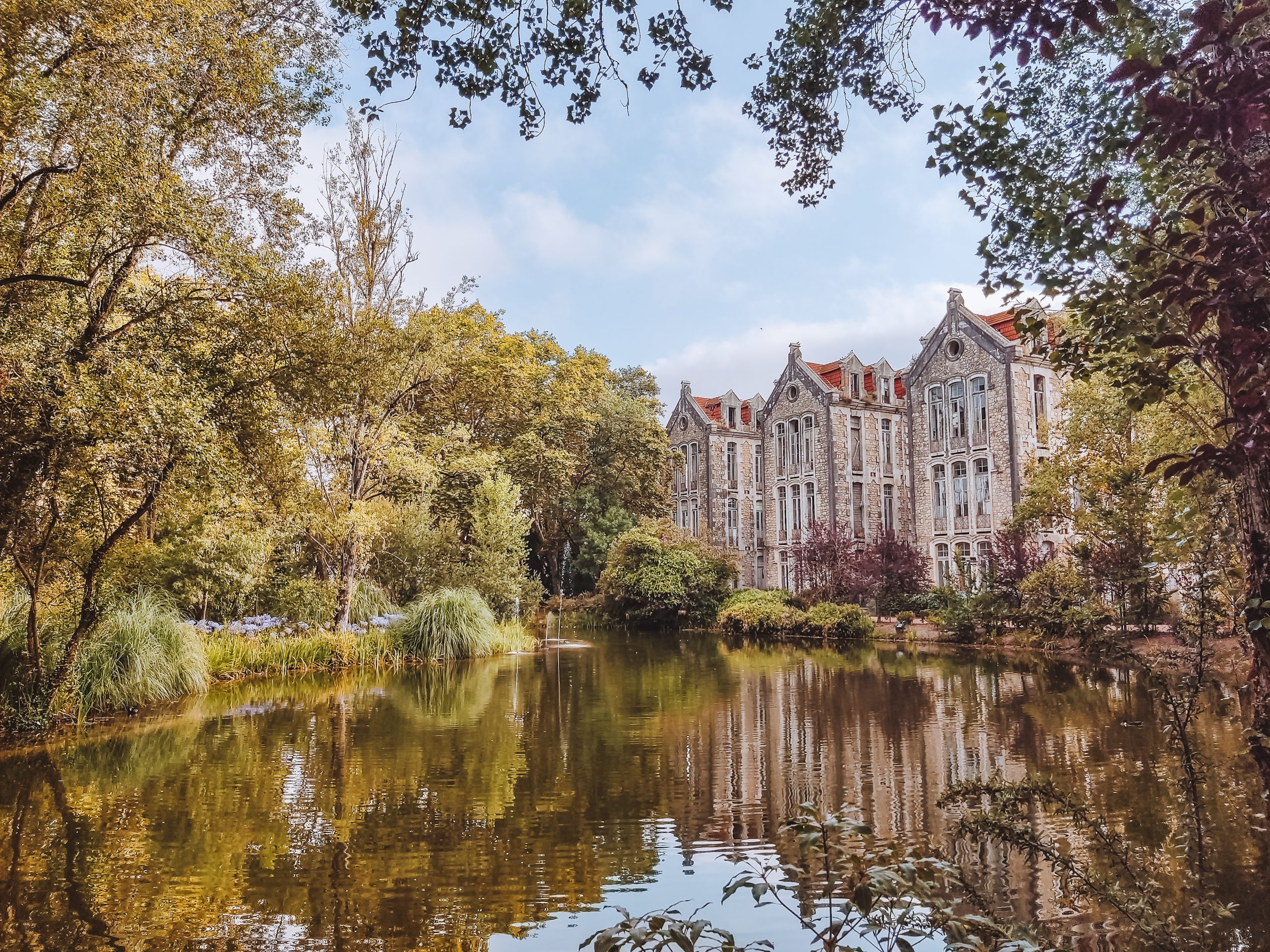
In the summer of 1484, when Lisbon was struck by plague and other epidemics, Queen Leonor of Portugal sought refuge in Óbidos, accompanied by her court. On August 28 of that same year, she set out to join the King in Batalha, where they were to attend masses for the soul of Afonso V of Portugal. Along the way, the Queen encountered a distressing scene: poor and sick people bathing in muddy, hot waters under harsh and inhumane conditions. Deeply moved, she ordered her carriage to stop and asked about what she was witnessing.
Population: 51.500 inhabitants
She was told that these waters were used for treatment, believed to have remarkable healing properties. They eased pain, cured wounds, and, according to locals, even helped paralytics walk again. Touched by their suffering, the Queen made a vow that, if granted life by God, “the poor of Jesus Christ would have better comfort in their healing.” True to her word, she immediately ordered the construction of a hospital on that very site, ensuring that all could benefit from these waters with dignity and care.
Thus was born the town of Caldas da Rainha, which grew around this thermal hospital. Although the surrounding land was not particularly fertile, the region enjoyed a mild climate and abundant resources. Nearby villages supplied fresh vegetables, while fishermen from Nazaré and Peniche brought daily catches of fish, alongside poultry, eggs, and other essential goods.
Regional delicacies
Rebuçados das caldas; Cavacas das Caldas; Beijinhos; Ensopado de Enguias da Lagoa; Fatias de Carne Frita à Moda do Landal
Over time, Caldas da Rainha became a center of artistic and cultural development, a legacy of the Queen’s patronage. The town gained renown for its ceramics, a tradition dating back to the late 15th century and flourishing in later periods. In the 19th century, artists such as Rafael Bordalo Pinheiro played a key role in shaping its identity, founding the Factory of Artistic Faience in 1884 and creating iconic figures like Zé Povinho. Today, this heritage lives on in both traditional and more playful forms of ceramic art.
At the heart of the town, Praça da República, popularly known as Praça da Fruta, hosts the country’s only daily open-air fruit and vegetable market. Held every morning and largely unchanged since the late 19th century, it remains a vibrant reflection of local life and tradition.
Not to be missed ...
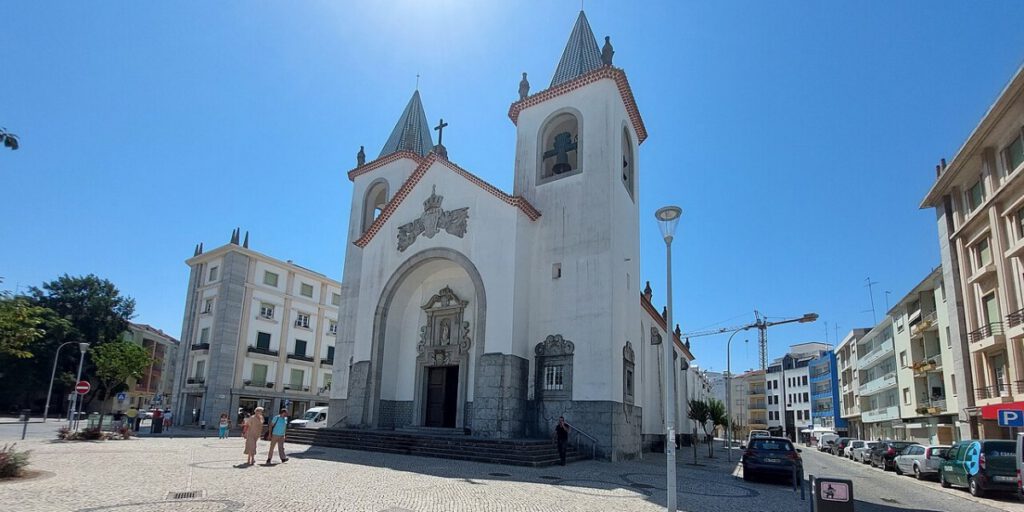
Rafael Bordalo Pinheiro House and Museum; S. Rafael Museum; Ceramic Museum; Queen Leonor Termal Hospital Museum; Our Lady Conceição Church; Holy Spirit Church; Chafariz das Cinco Bicas