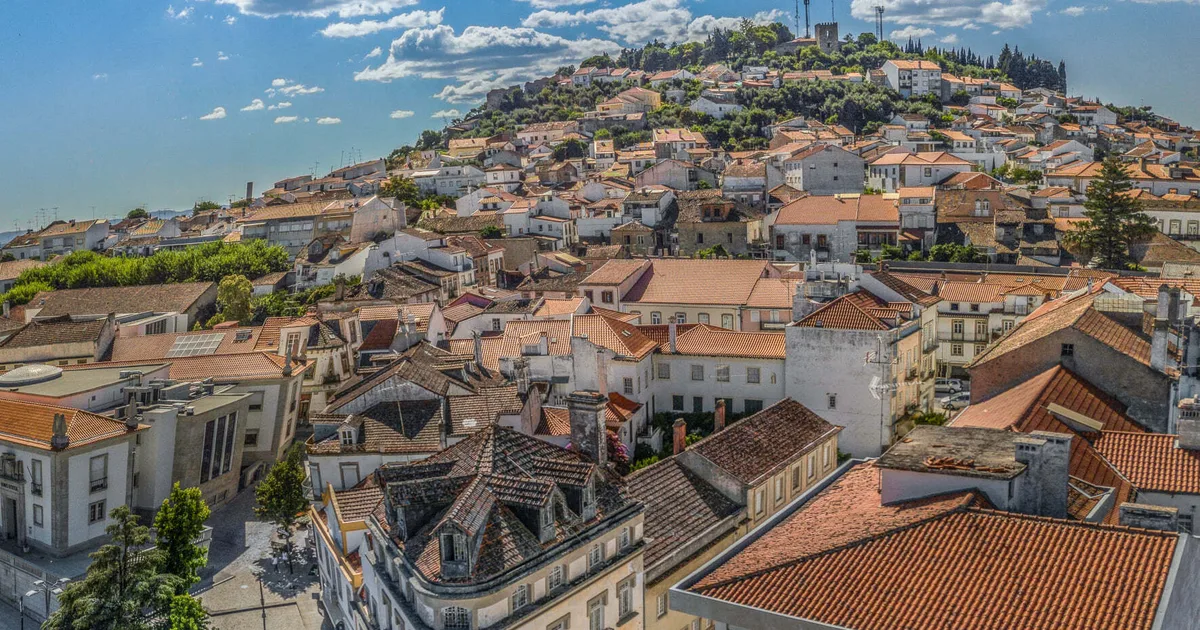
The capital of Beira Baixa, Castelo Branco remains, for now, one of the country’s best kept secrets. Increasingly discovered by both Portuguese and international visitors, this charming city set between mountains and plains invites a calm and immersive exploration. Its atmosphere is marked by subtle fragrances, from the warm scent of dry fields to the citrus notes of orange blossom and the sweetness of lime trees. With a rich historical, cultural, and natural heritage, combined with the thoughtful renewal of its urban spaces and a growing range of cultural and leisure facilities, Castelo Branco has become an increasingly appealing destination.
Population: 59.500 inhabitants
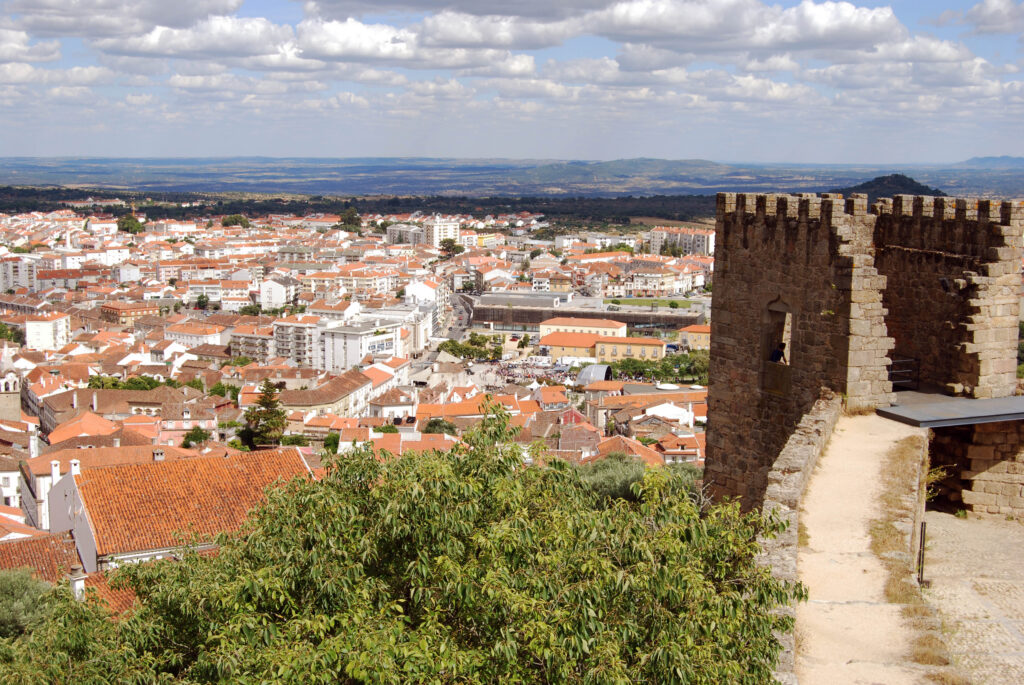
Unlike other nearby cities shaped by the textile industry, Castelo Branco has long held strategic and political importance within Portugal. Its origins likely date back to a pre Roman settlement, later evolving into a small village known as Moncarche, established on the Cardosa Hill. This early community is believed to have endured through the fall of the Western Roman Empire and resisted Moorish rule, laying the foundations for the city that would grow below.
Today, Castelo Branco feels like an open air museum, where traces of the past coexist with living traditions. The city is internationally renowned for its exquisite embroidery, a craft deeply rooted in local history and linked to the cultivation of flax and silk production. Its hand embroidered bedspreads, along with regional products such as cheese, olive oil, and wine, reflect a strong cultural identity. The city’s traditional architecture, medieval churches, and historic monuments further enhance its appeal, offering visitors an authentic glimpse into Portugal’s heritage.
Regional delicacies
Perdiz no Forno; Empadas de Castelo Branco; Broas de mel; Tigeladas; Cavacas
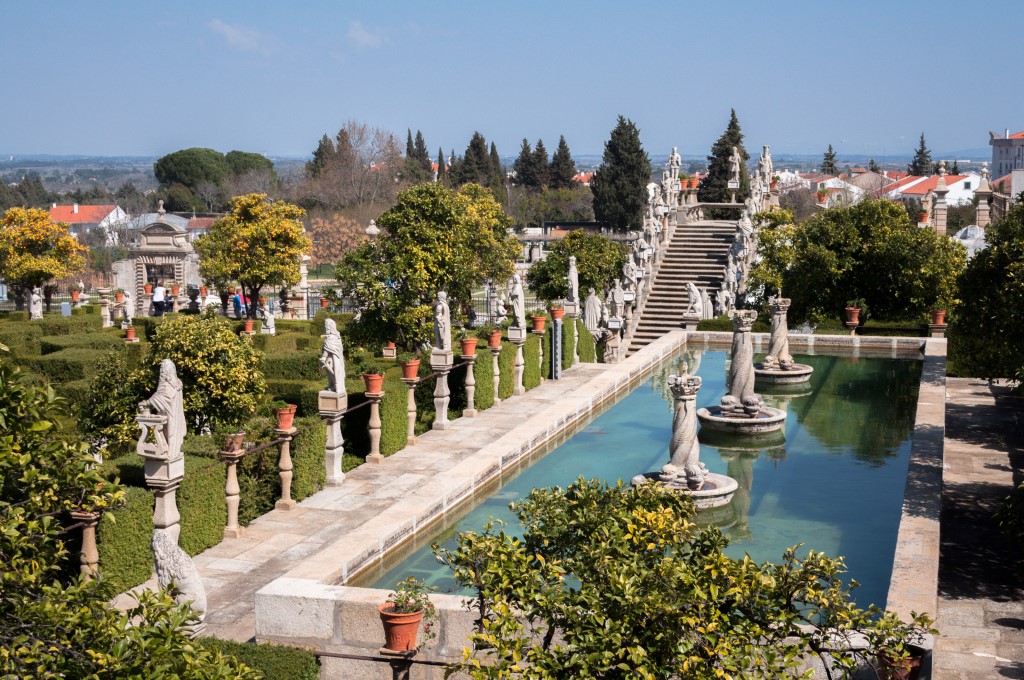
Among its highlights is the beautiful Jardim do Paço Episcopal, created in 1725 at the request of the bishop. This remarkable garden features lakes, fountains, and elegant staircases, including the iconic Staircase of the Kings, adorned with statues of Portuguese monarchs. Equally worth visiting is the Sanctuary of Our Lady of Mércoles, a chapel of uncertain origin, traditionally linked to the Knights Templar. With its 18th century tiles and unique sunken floor accessed by steps, it adds yet another layer of intrigue to this captivating city.
Not to be missed ...
Paço Garden; Sé Cathedral; Parish Church of Saint Miguel; Our Lady Mércoles Chapel; Graça Convent; Castle