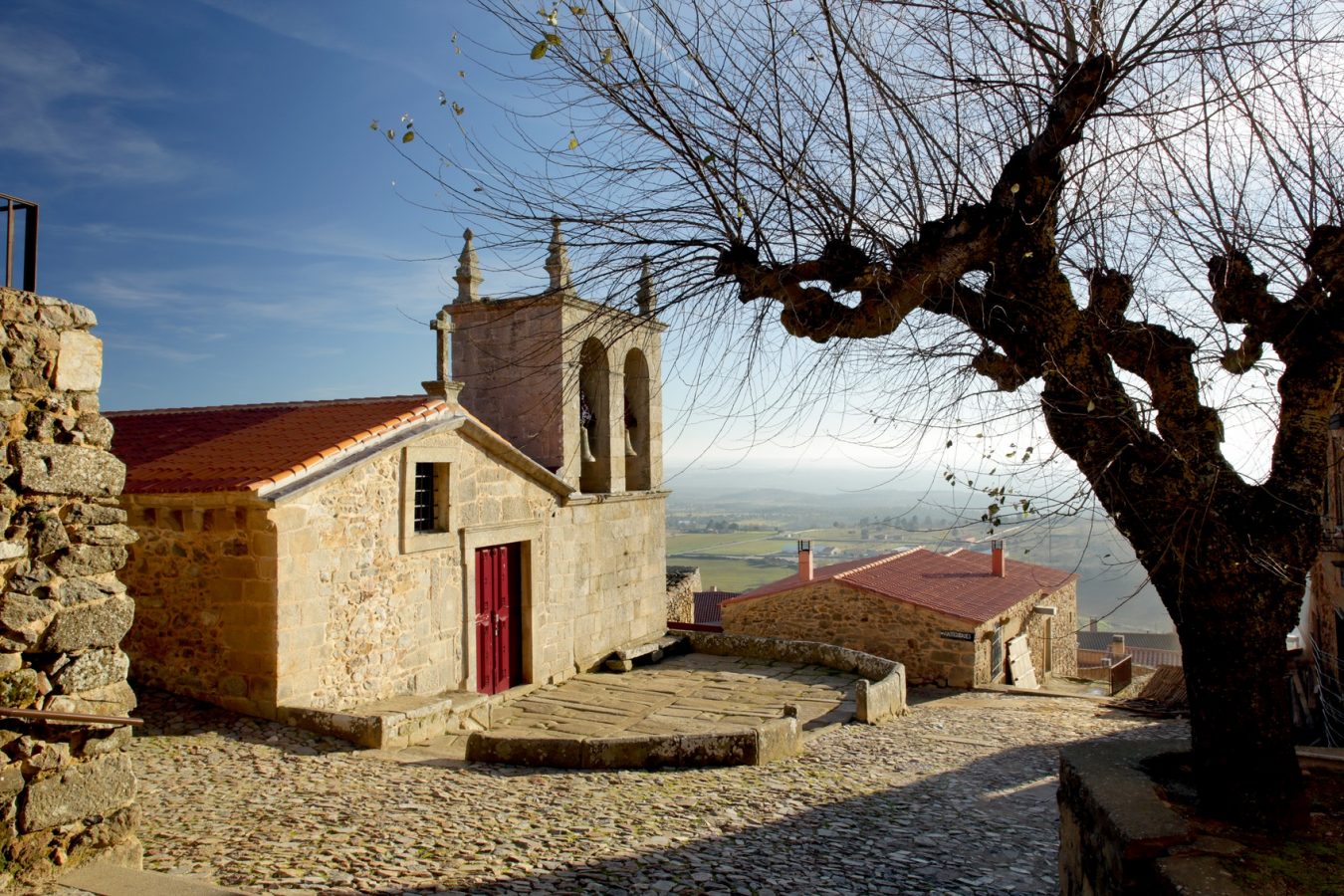
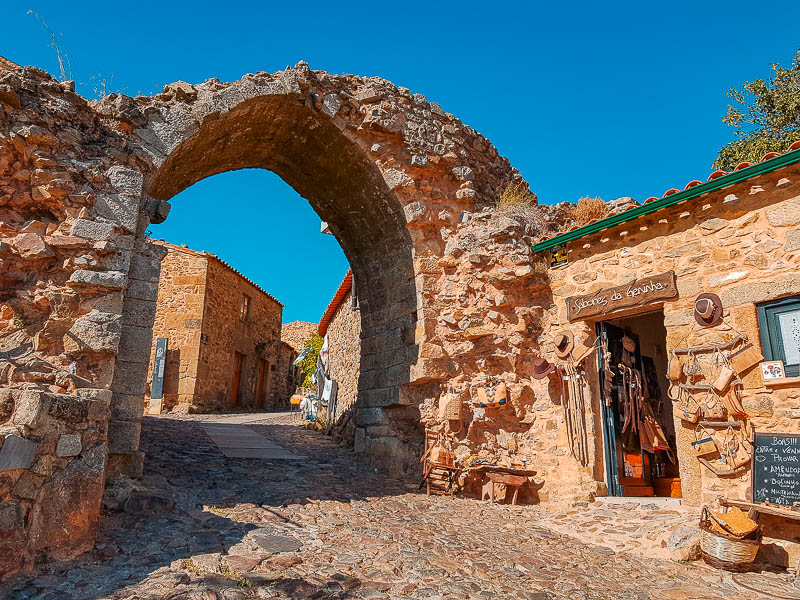
Perched atop a hill, the historic walled village of Castelo Rodrigo commands sweeping views over the plateau stretching east toward Spain and north to the deep valley of the Douro River. Its origins date back to around 500 BC, with later occupation by the Roman Empire, and evidence of Moorish presence even before the Christian Reconquest. Yet the human story of this region goes back even further, with traces of Paleolithic, megalithic, and castro settlements revealing a landscape inhabited for thousands of years.
Population: 6.250 inhabitants
During the Reconquest, efforts to consolidate and repopulate the territory are reflected in donations made to religious communities, including the Salamantine friars, founders of the Order of Saint Julian of Pereiro, and the monks of the Monastery of Santa Maria de Aguiar, a 12th century Cistercian foundation. These institutions played a key role in shaping the spiritual and social fabric of the region.
Castelo Rodrigo bears the marks of centuries of territorial disputes. It received its first charter in 1209 from King Sancho I of Portugal, although it only became definitively Portuguese following the Treaty of Alcanizes. The village also lay along important pilgrimage routes, and local tradition holds that Francis of Assisi once stayed here on his journey to Santiago de Compostela.
Regional delicacies
Aletria; Papas; Filhós; Lamb or Goat Stew; Migas de Peixe de Barca D´Alva; Carrapatos Soup; Torresmos; Sheep dry cheese; Escalhão biscuits; Esquecidos; Farófias
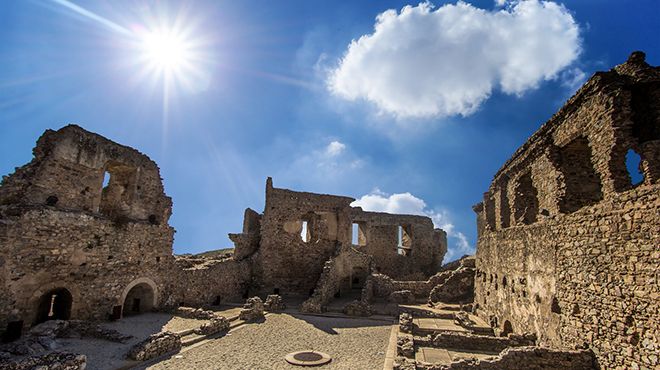
Now part of the Historical Villages of Portugal program, Castelo Rodrigo impresses with its remarkable heritage. Within its walls, visitors can discover landmarks such as the pillory, the ruins of the palace, the ancient cistern, and nearby the Church and Convent of Santa Maria de Aguiar. Throughout history, its inhabitants have been noted for their courage and loyalty to the Portuguese crown, adding a human dimension to this unforgettable and atmospheric destination.