
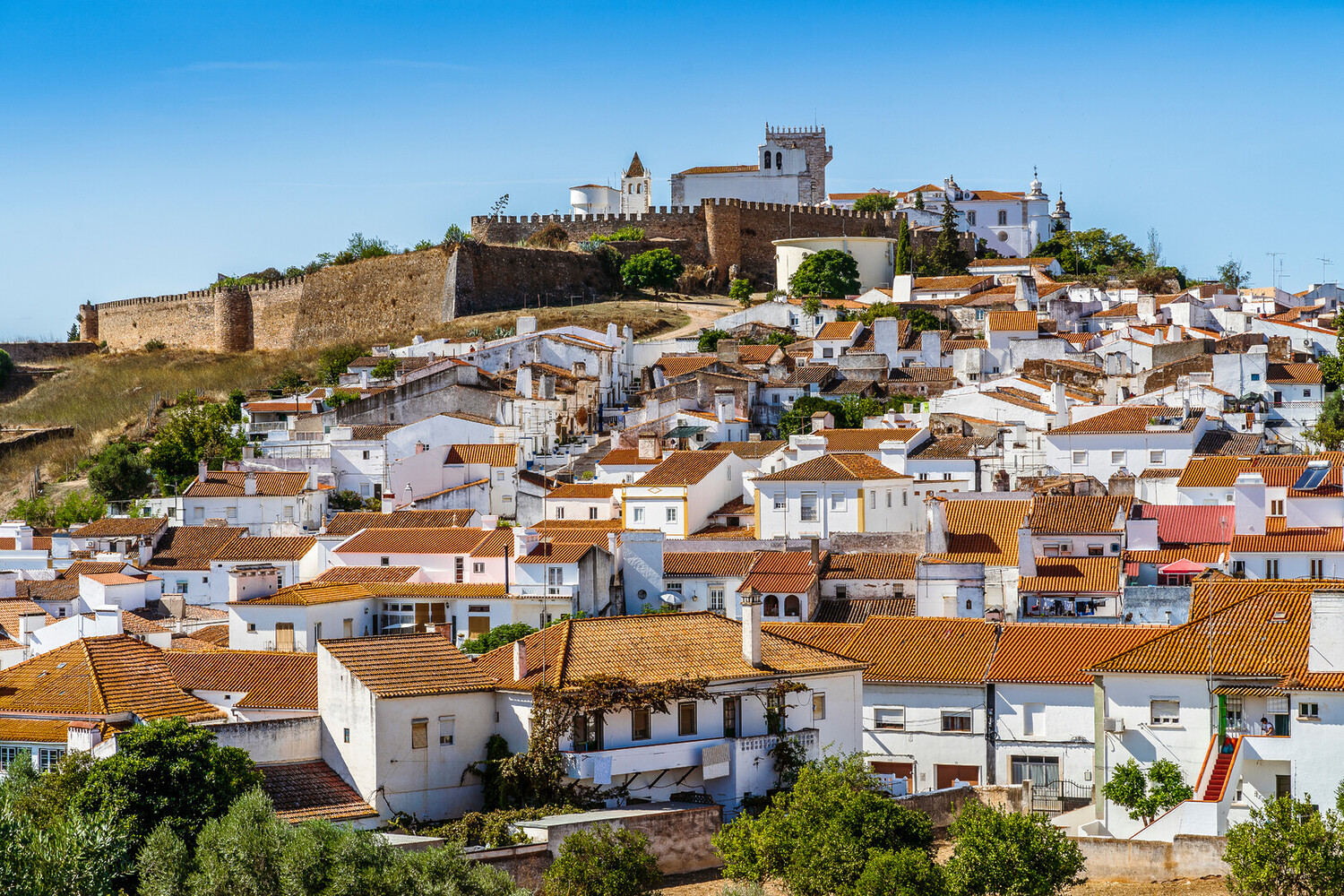
Estremoz, often called the “White City” of Alentejo, is instantly recognizable from a distance by its whitewashed houses sprawling across a hill, embraced by ancient walls and once protected by the imposing Menagem Tower. The city is renowned worldwide for its deposits of white marble, famously known as “Estremoz Marble.” The extraction of this prized material dates back to antiquity, with its use evidenced in monumental Roman constructions such as the Temple of Évora. Today, the marble industry in Estremoz contributes to Portugal being the world’s second-largest exporter, with the region alone accounting for approximately 90% of the country’s total marble production.
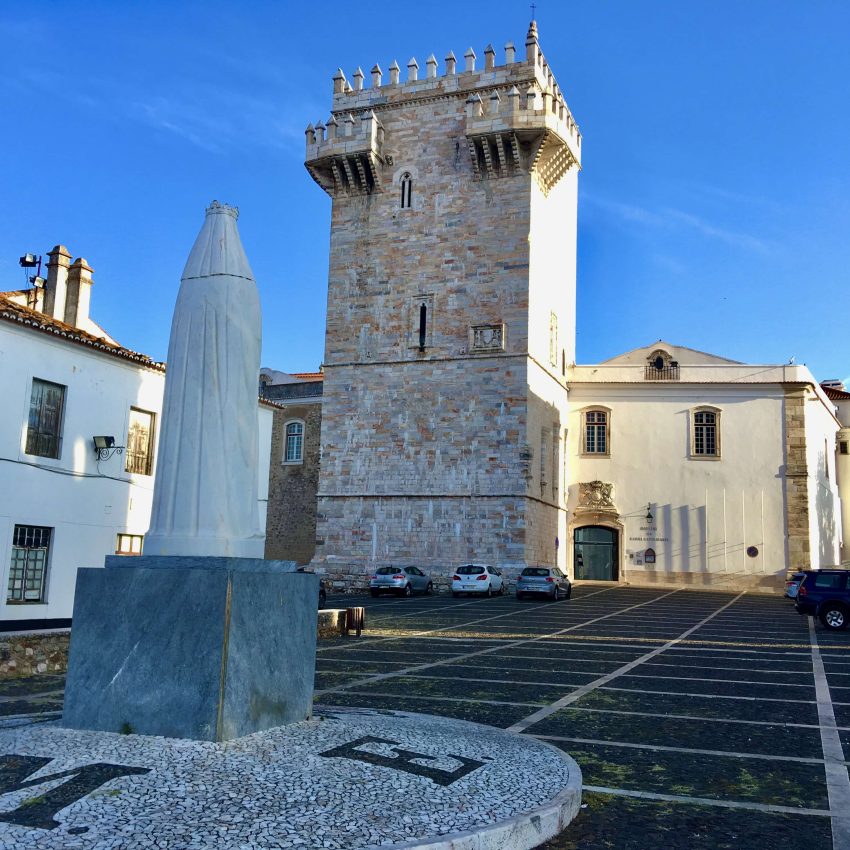
Historically, Estremoz has been a royal residence, frequented by kings and queens of Portugal, notably King D. Dinis and Queen Santa Isabel. The city offers a rich cultural and archaeological heritage, evident in the numerous monuments scattered throughout its streets. Summarizing Estremoz in a few words, one might choose historically significant, strategically situated, and dramatic. Its pivotal role during Portugal’s centuries-long struggle against invading Spanish forces has left a lasting imprint on its architecture, particularly in the fortified upper quarter, which still sits behind impressive 13th-century ramparts. At its heart stands the Torre das Três Coroas, a striking keep nearly 30 metres high, crafted entirely from local marble.
The city’s artisanal traditions are equally remarkable. Among its most iconic crafts is the twin-spouted earthenware jug, traditionally used by agricultural workers to keep water and wine cool. Brightly painted clay figures are another local specialty, with a unique collection dating from the 17th and 18th centuries displayed in the town museum. These handcrafted pieces reflect the creativity and skill of generations of Estremoz artisans. Every April, the city comes alive with its annual craft fair, showcasing both traditional and contemporary works and celebrating its enduring cultural identity.
Regional delicacies
Rojões de porco; Tarteletes de feijão; Vitela assada à moda de Estremoz; sopa de toucinho; encharcadas ; pão de rala


Beyond its historical and artisanal significance, Estremoz captivates visitors with its dramatic setting and striking architectural contrast. The gleaming white of its buildings against the natural Alentejo landscape, combined with the grandeur of marble monuments and the charm of cobbled streets, creates an atmosphere that is both timeless and vibrant. In Estremoz, history, craft, and landscape converge, offering a destination that is as visually stunning as it is rich in heritage.
Not to be missed ...
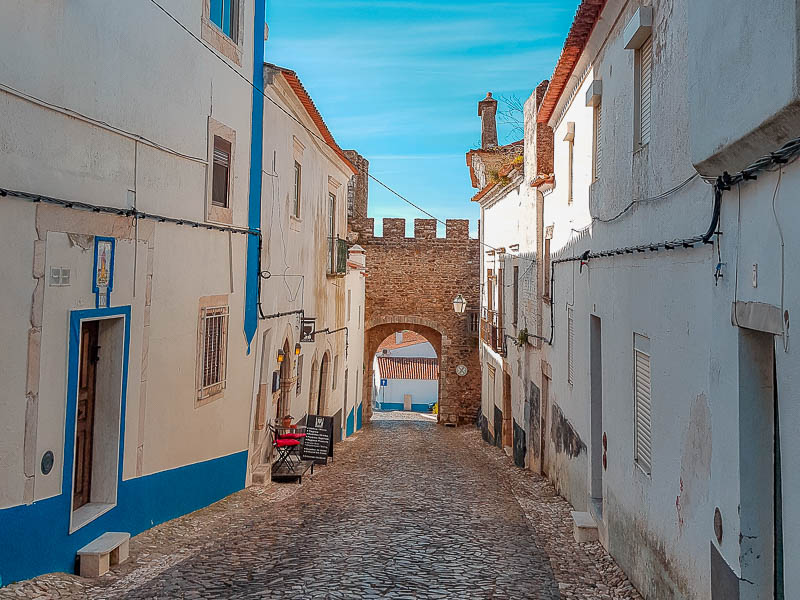
Castle; Science Museum; Parish Church of Our Lady Mary; Walls and Old Door of Estremoz