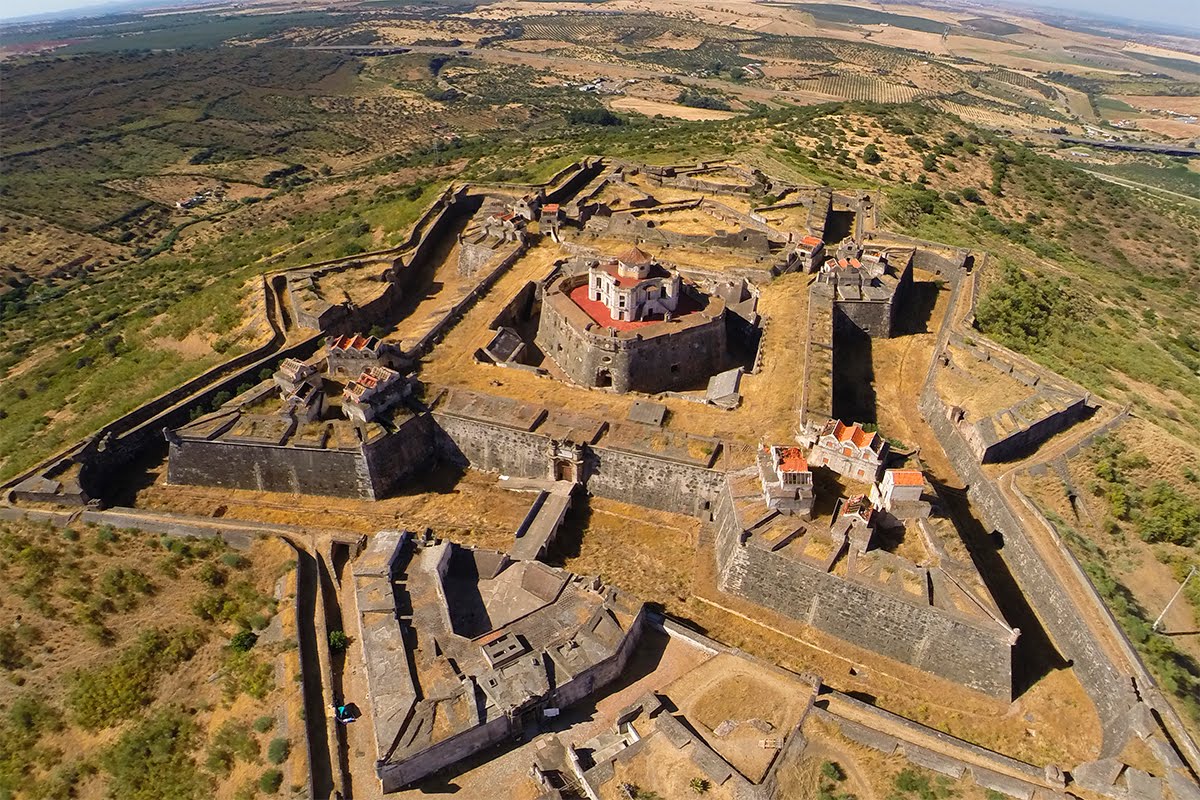
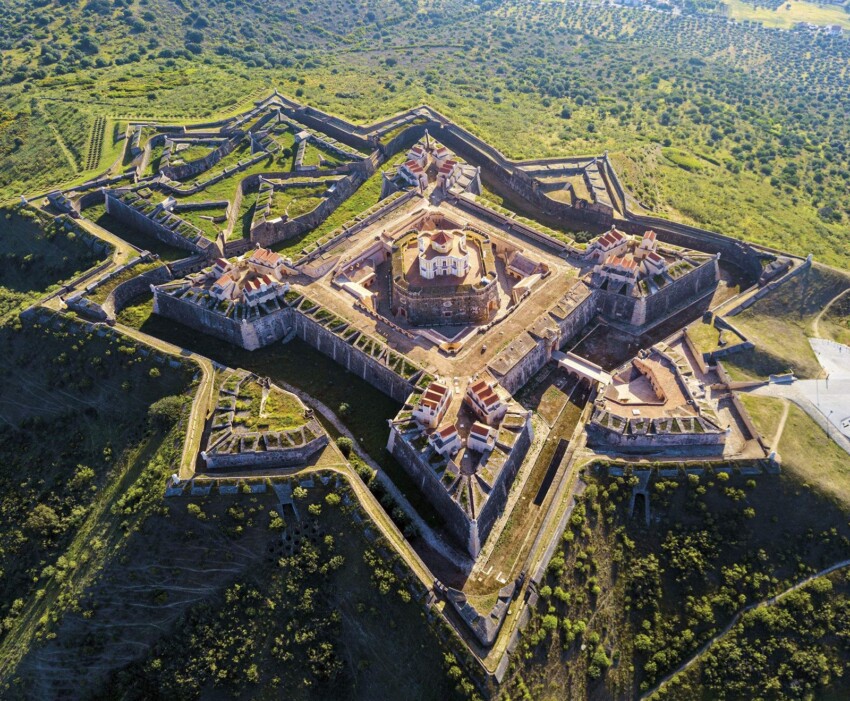
Elvas sits in the easternmost part of the Alentejo, near the Spanish border, commanding views over the surrounding plains. Its strategic location made it a key military and trading outpost for centuries, earning it a prominent role in Portugal’s history. The city is famous for its impressive fortifications, which reflect the evolution of military architecture from the 16th to the 19th centuries.
Population: 20.700 inhabitants
Elvas is often described as one of the most fortified cities in the world. Its walls, bastions, and forts were designed to protect the city from repeated invasions and conflicts, particularly with Spain. The Amoreira Aqueduct, a masterpiece of engineering, supplied water to the city and stands as one of the most remarkable examples of functional architecture in the region. Elvas’ fortifications are recognized as a UNESCO World Heritage Site, testifying to their historical and architectural significance.
Beyond its military heritage, Elvas offers a rich urban and cultural landscape. Its cobbled streets, whitewashed houses, and elegant squares create a charming and inviting atmosphere. The historic churches, convents, and civic buildings scattered throughout the city illustrate centuries of artistic and cultural development, from the Manueline to the Baroque period.
Regional delicacies
Ameixas de Elvas (doces ou em calda), Sericaia com ameixas, azevias, nógados, enxovalhadas e filhós, Bacalhau Dourado, Ensopado de Borrego, Migas com Entrecosto, Carne de Porco à Alentejana
Elvas also captivates visitors with its panoramic views over the Alentejo plains and the Guadiana valley. Walking through the city, one can feel the echoes of its turbulent history, from battles and sieges to moments of peace and prosperity. With its combination of history, architecture, and timeless charm, Elvas is an essential destination for anyone exploring the Alentejo region.
Not to be missed ...
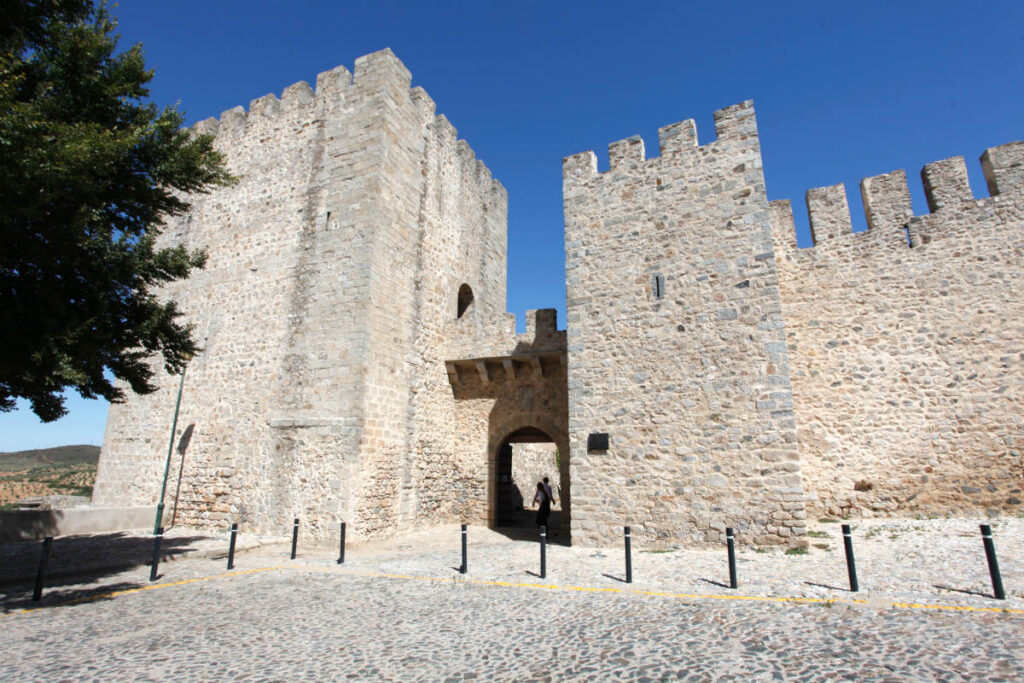
Fortifications and City Walls; Amoreira Aqueduct; Castle of Elvas; Forts of Elvas