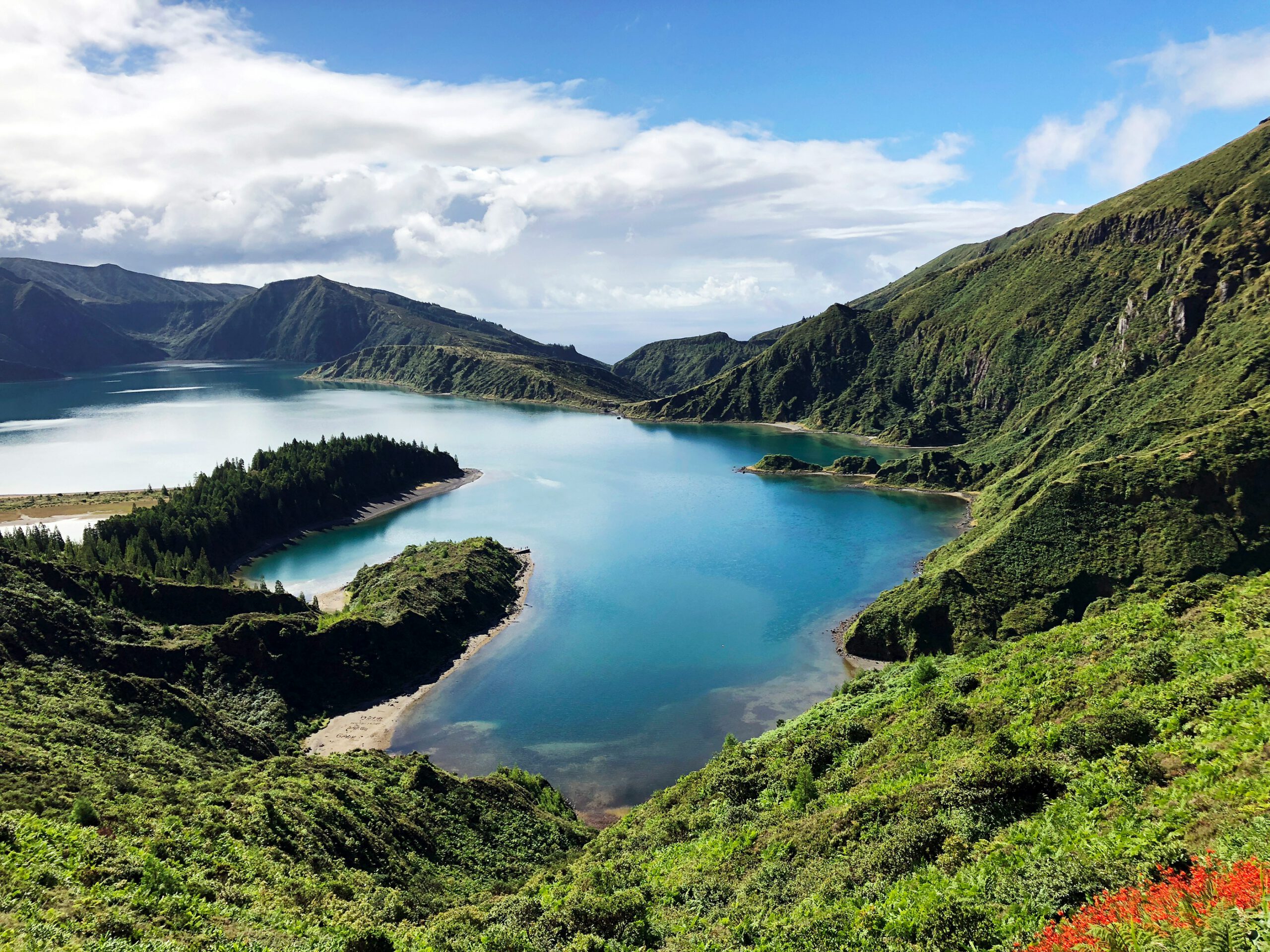
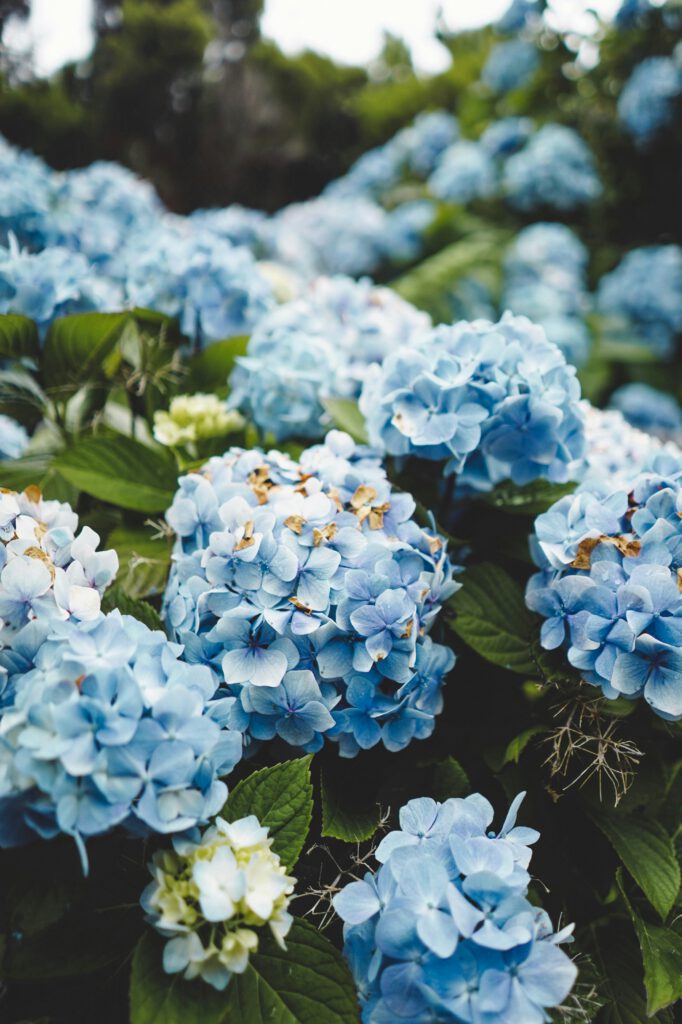
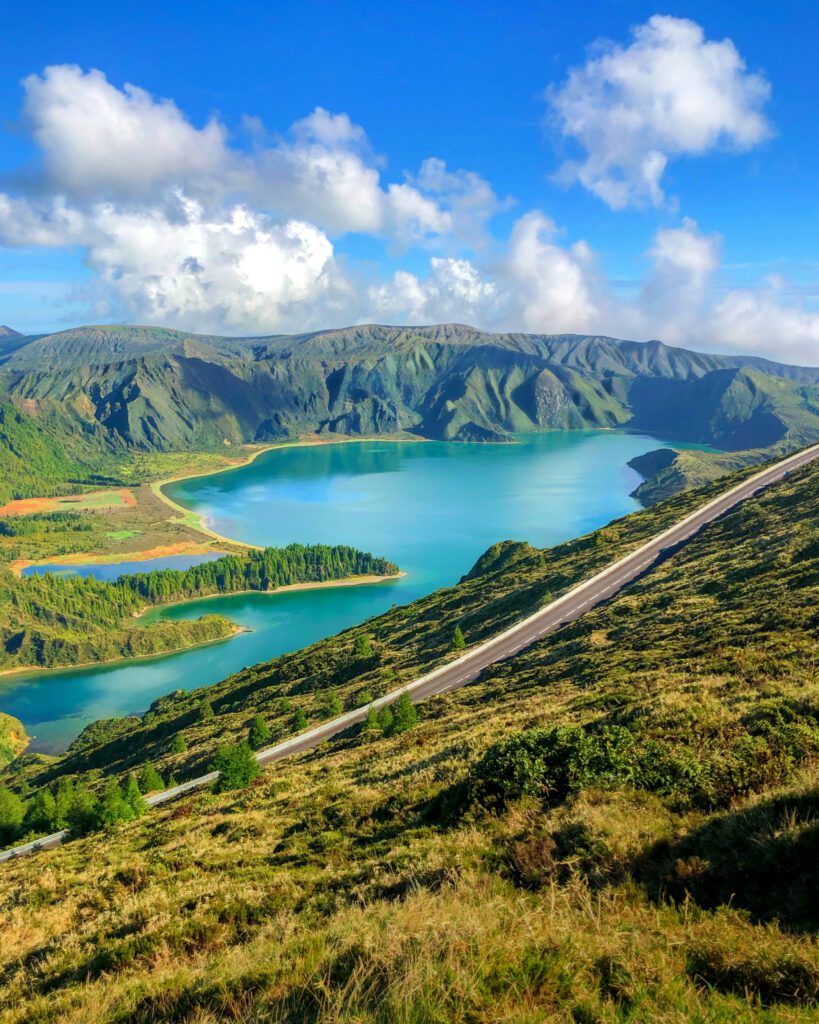
São Miguel, the largest island of the Azores archipelago, is known as the “Green Island” for its lush landscapes, volcanic craters, and fertile valleys. Rolling hills, dramatic cliffs, and serene lakes create a striking and diverse scenery, while the coastline alternates between black volcanic sands and vibrant blue waters. Ponta Delgada, the island’s capital, blends historic charm with modern amenities, offering picturesque streets, elegant churches, and lively squares that reflect the island’s cultural heritage.
Population: 140.000 inhabitants
The island’s history stretches back to the 15th century when Portuguese explorers first settled in the Azores. Since then, São Miguel has been a hub for agriculture, trade, and maritime activities. The fertile volcanic soil allowed the cultivation of tea, pineapples, and dairy farming, shaping the island’s economy and culinary traditions. Historical landmarks, manor houses, and churches showcase the island’s development over the centuries.
São Miguel is also famous for its geothermal activity and natural wonders. The Sete Cidades caldera, with its twin lakes, and the Furnas valley, home to hot springs and fumaroles, are among the most iconic landscapes. Visitors can enjoy thermal baths, hiking trails along volcanic peaks, and scenic viewpoints that offer breathtaking vistas of the island’s unique topography. These natural features combine with a mild climate to make São Miguel an ideal destination for outdoor enthusiasts and nature lovers.
Beyond its landscapes, São Miguel captivates visitors with its gastronomy and traditions. Local specialties include cozido das Furnas, a stew slow-cooked using volcanic heat, fresh seafood, and dairy products such as cheese and milk-based desserts. The island’s festivals and cultural events reflect Azorean heritage, from religious celebrations to music and folklore. With its blend of natural beauty, history, and culture, São Miguel offers an unforgettable experience for travelers seeking both adventure and serenity.