Cascais has a long history of human presence, with archaeological studies indicating settlement as far back as 4,000 to 6,000 years ago, likely since the Paleolithic period. Remains of ancient communities have been discovered in areas such as Tires, Talaíde, and in the natural caves of Poço Velho Caves, offering insight into early human activity in the region.
Population: 200.500 inhabitants
Roman influence is also evident, followed by the Muslim occupation, which left a lasting mark on local toponyms such as Alcoitão and Alcabideche. In the 12th century, the area was conquered by Afonso Henriques. At that time, Cascais was a modest village of fishermen and agricultural workers. Its name is believed to derive from the Portuguese word “cascal”, meaning a heap of shells, likely referencing the abundance of marine life, particularly shellfish, found along its coast.
Today, Cascais offers a rich cultural scene with a variety of museums and historic sites. Highlights include the Casa das Histórias Paula Rego, inaugurated in 2009 and dedicated to the work of Paula Rego; the Museu do Mar Rei D. Carlos, which explores marine life and Portugal’s relationship with the sea, honoring Carlos I of Portugal; and the Cascais Cultural Centre, set in a former convent and known for its vibrant exhibitions.
Regional delicacies
Rich in seafood; fresh fish; Areias de Cascais; Nozes de Cascais
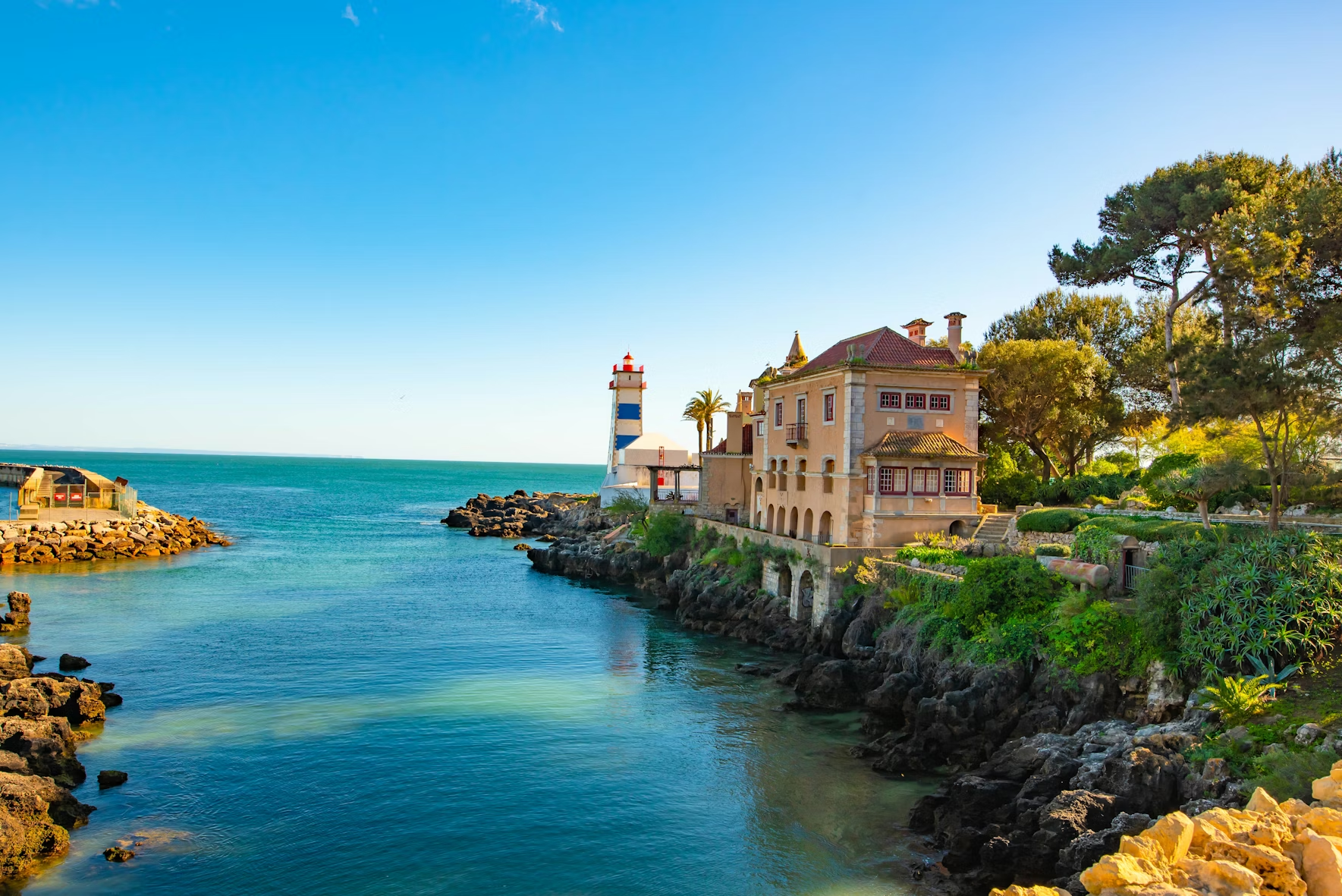
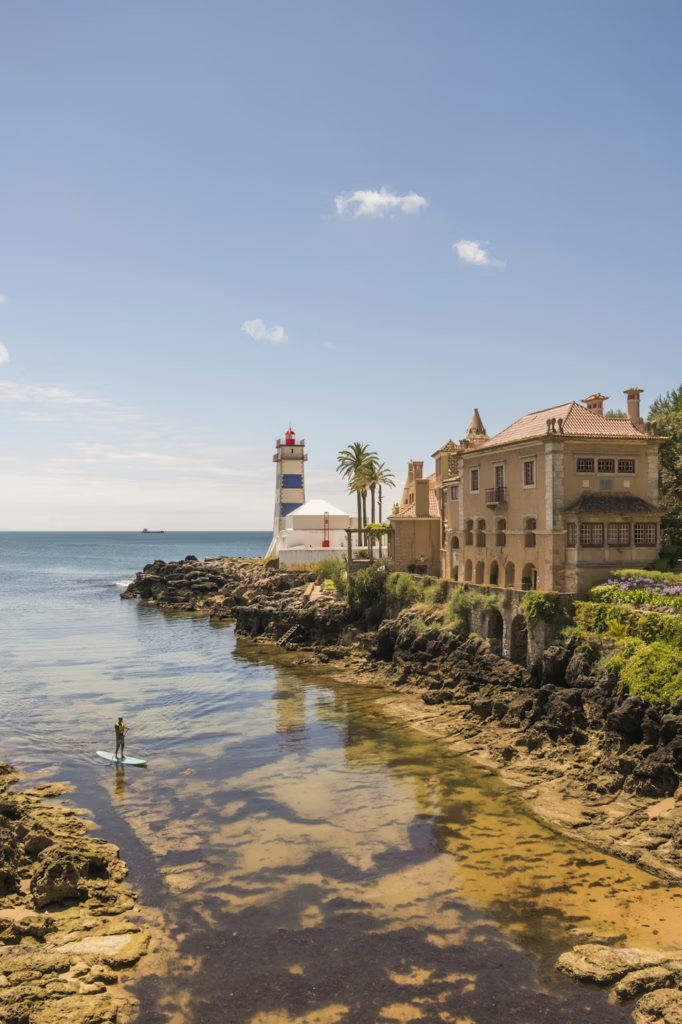
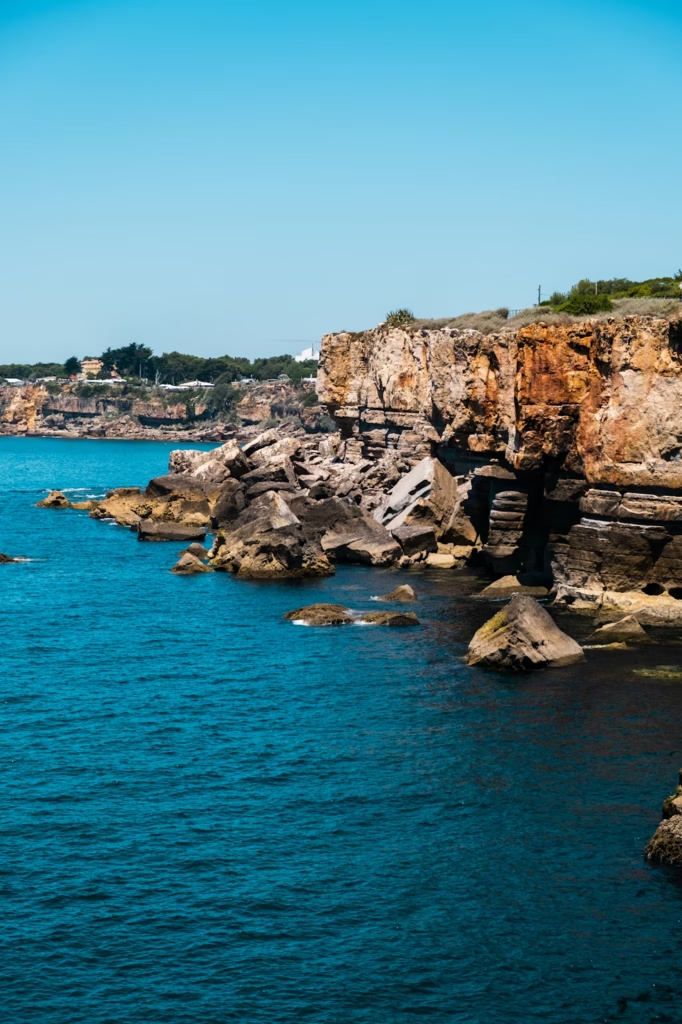
The Cascais and Estoril area is renowned for its beaches, scenic landscapes, and diverse attractions, making it a favourite destination for both locals and visitors. From historic forts, churches, and palaces dating back to the 15th century, to modern leisure spaces and parks, there is something for everyone. Natural landmarks such as the dramatic Boca do Inferno, as well as the marinas of Cascais and Oeiras, add to the region’s appeal. Nearby, the Estoril Casino, one of the largest in Europe, stands as an iconic symbol of the area’s cosmopolitan charm.
Not to be missed ...
Cidadela de Cascais and Our Lady of the Light Fortress; Boca do Inferno; beaches; Guincho; Paula Rego Museum; Cultural Center of Cascais