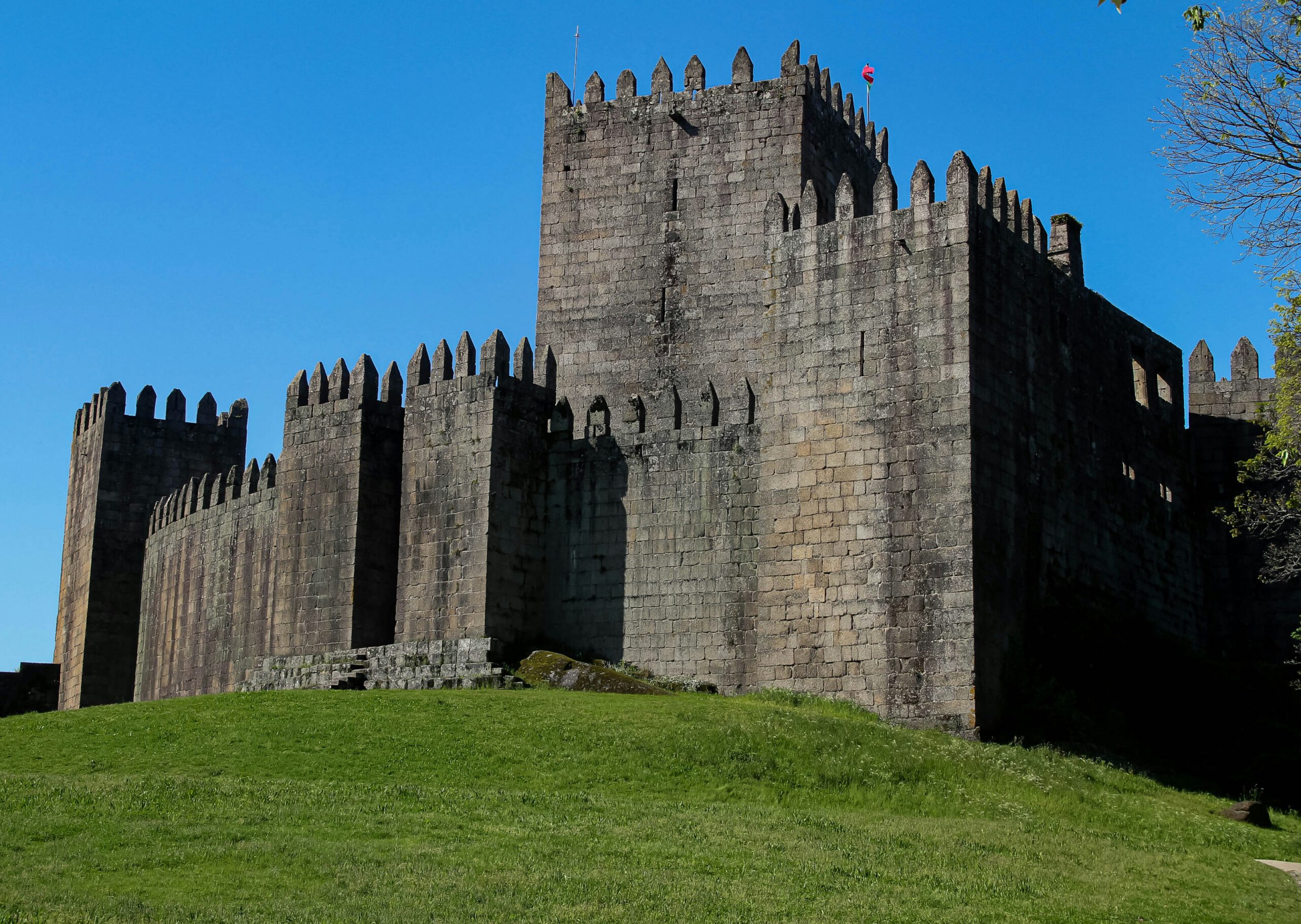
Guimarães, of medieval origin, dates back to the 10th century when Countess Mumadona Dias founded a monastery that attracted the first settlers. To protect the community from frequent Moorish attacks, she also built the Castle of Guimarães, where, in the 12th century, D. Afonso Henriques—the first King of Portugal—was born. This is why the city is known as the “Cradle of the Nation”, and its historic center is a UNESCO World Heritage Site.
Population: 160.000 inhabitants
The city also offers unique cultural and natural experiences, such as Monte da Penha, with panoramic views stretching to the ocean, and the ruins of the Citânia de Briteiros, an ancient Iron Age settlement over 2,000 years old.
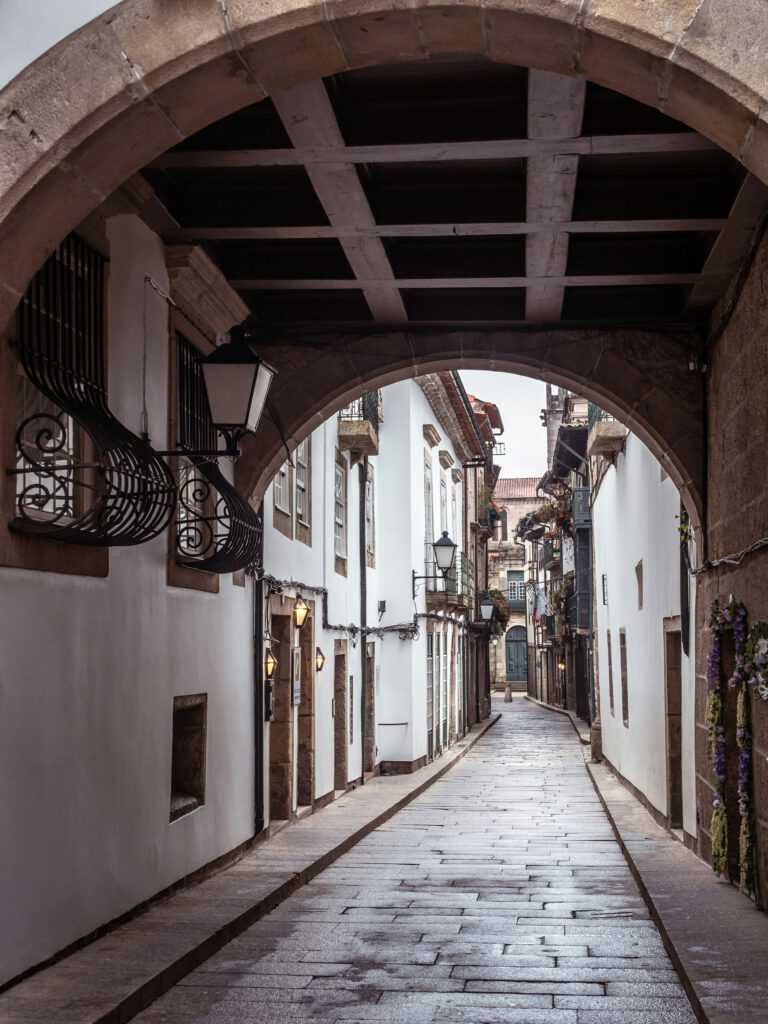
Strolling through Guimarães’ streets is like walking through living history. Highlights include the Chapel of St. Michael, where the first king is said to have been baptized, and the majestic Palace of the Dukes of Bragança, once home to the first duke and his family. Santa Maria Street showcases architectural treasures like Casa do Arco, Casa dos Peixoto, and Casa do Carneiro—today the municipal library—and ends at the lively Santiago Square, a popular spot for locals and visitors alike.
Regional delicacies
Naco à Conquistador; Toucinho do Céu; Torta de Guimarães
Guimarães is also a city of unforgettable flavors: from the famous “Naco à Conquistador” to local codfish dishes, the cuisine reflects the passion and traditions of the Vimaranenses. With its rich history, legends, and authentic tastes, Guimarães promises a complete and unforgettable experience.
Not to be missed ...
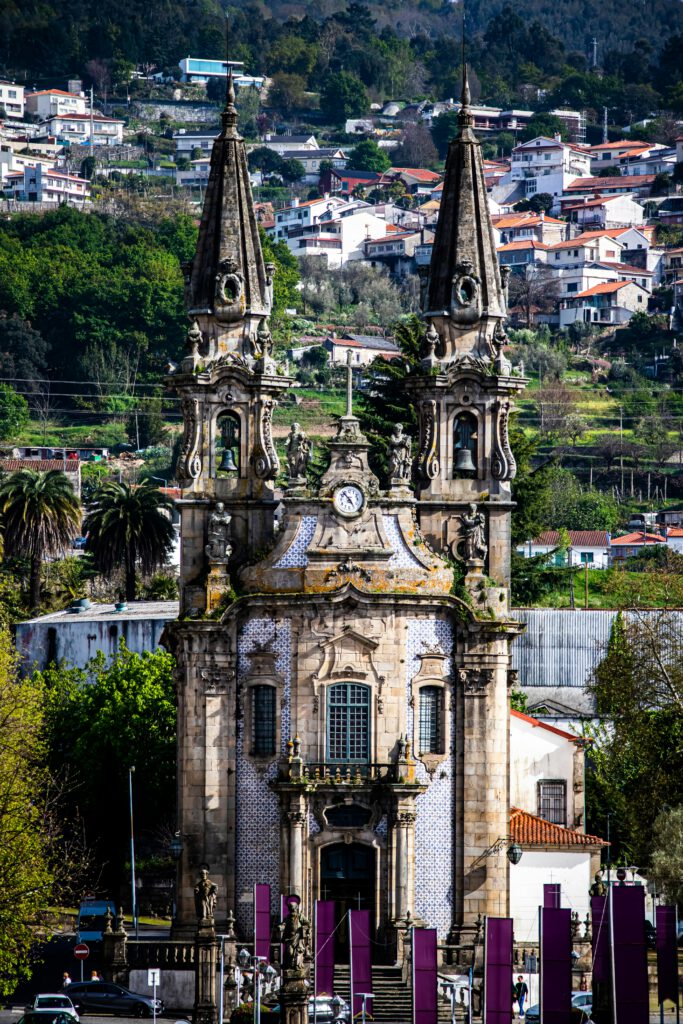
Castle of Guimarães; Paços dos Duques de Bragança; Chapel of S.Miguel; City wall; Church of S. Francisco; Capuchos Convent; Church and Convent of Dominicas; Shrine of Penha; Old Town Hall; Salado Pattern; Convent of Santa Clara; Square of Santiago; Old leather factory; Citânia de Briteiros