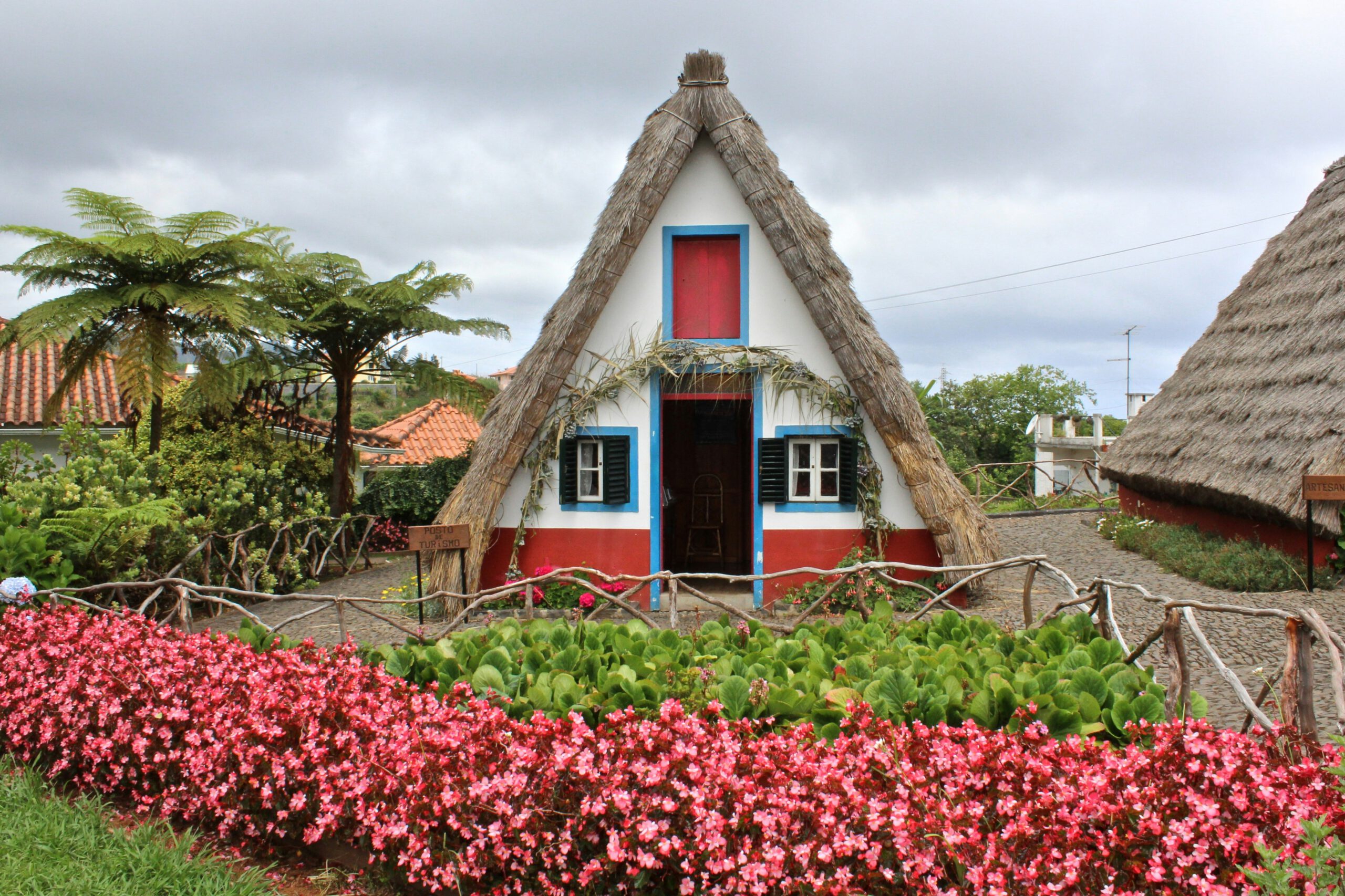
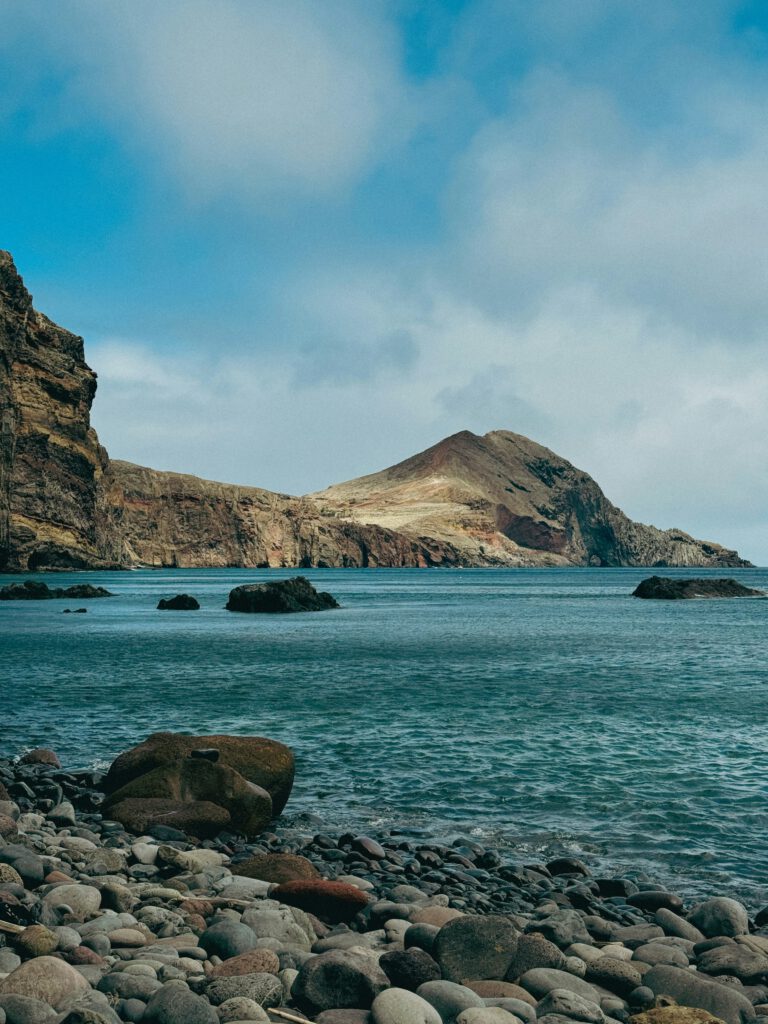
Madeira, often called the “Pearl of the Atlantic,” is a volcanic island renowned for its dramatic landscapes, lush greenery, and mild climate. Towering mountains, deep valleys, and rugged coastlines define the island, creating breathtaking vistas at every turn. Funchal, the capital, offers a harmonious mix of modern life and historical charm, with colorful markets, elegant squares, and centuries-old architecture reflecting Madeira’s rich cultural heritage.
Population: 260.000 inhabitants
The island’s history dates back to the 15th century when it was discovered by Portuguese explorers João Gonçalves Zarco and Tristão Vaz Teixeira. Since then, Madeira has been a hub for trade, agriculture, and maritime exploration. Its fertile volcanic soil allowed the cultivation of sugarcane, wine grapes, and tropical fruits, which contributed to the island’s prosperity and enduring fame. The legacy of these early centuries is visible in historic buildings, charming villages, and the island’s cultural traditions.
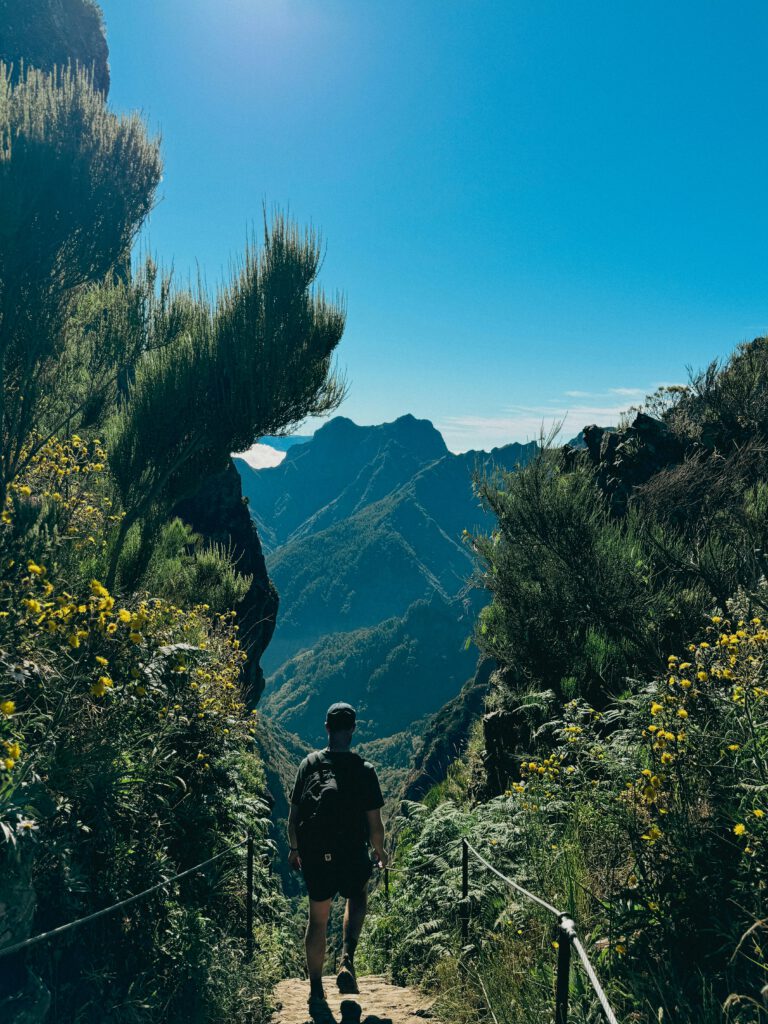
Madeira is also famous for its unique natural landscapes, including the levadas, historic irrigation channels that now form scenic walking trails across mountains, forests, and valleys. The Laurisilva forest, a UNESCO World Heritage Site, is a rare subtropical rainforest that shelters endemic species and creates a verdant, almost mystical atmosphere. Visitors can hike, birdwatch, or simply marvel at the dramatic cliffs and panoramic ocean views that make the island so special.
Beyond its natural and historical attractions, Madeira is celebrated for its gastronomy, wine, and festivals. Traditional dishes, such as espada com banana (black scabbardfish with banana) and espetada (grilled beef skewers), are complemented by Madeira wine, one of the island’s most famous exports. Throughout the year, vibrant festivals, including Carnival and the Flower Festival, showcase the island’s lively culture and community spirit. Madeira combines adventure, beauty, and tradition, making it a destination that captivates the heart and imagination.