Faial, often called the “Blue Island,” is famous for its vibrant hydrangeas, volcanic landscapes, and dramatic coastlines. Located in the central group of the Azores, it offers a mix of natural beauty and cultural heritage. Horta, the island’s main town, is a lively maritime hub with a picturesque harbor, colorful murals, and historic buildings, reflecting centuries of seafaring tradition and connections with transatlantic navigation.
Population: 14.400 inhabitants
The island’s history is closely linked to the sea. Faial became an important stop for transatlantic ships, whalers, and explorers, contributing to its development and cosmopolitan character. Over time, the island evolved from a small agricultural community into a key maritime center, with Horta harbor playing a central role in international navigation. Historical landmarks, such as the Peter Café Sport, reflect this rich nautical heritage.
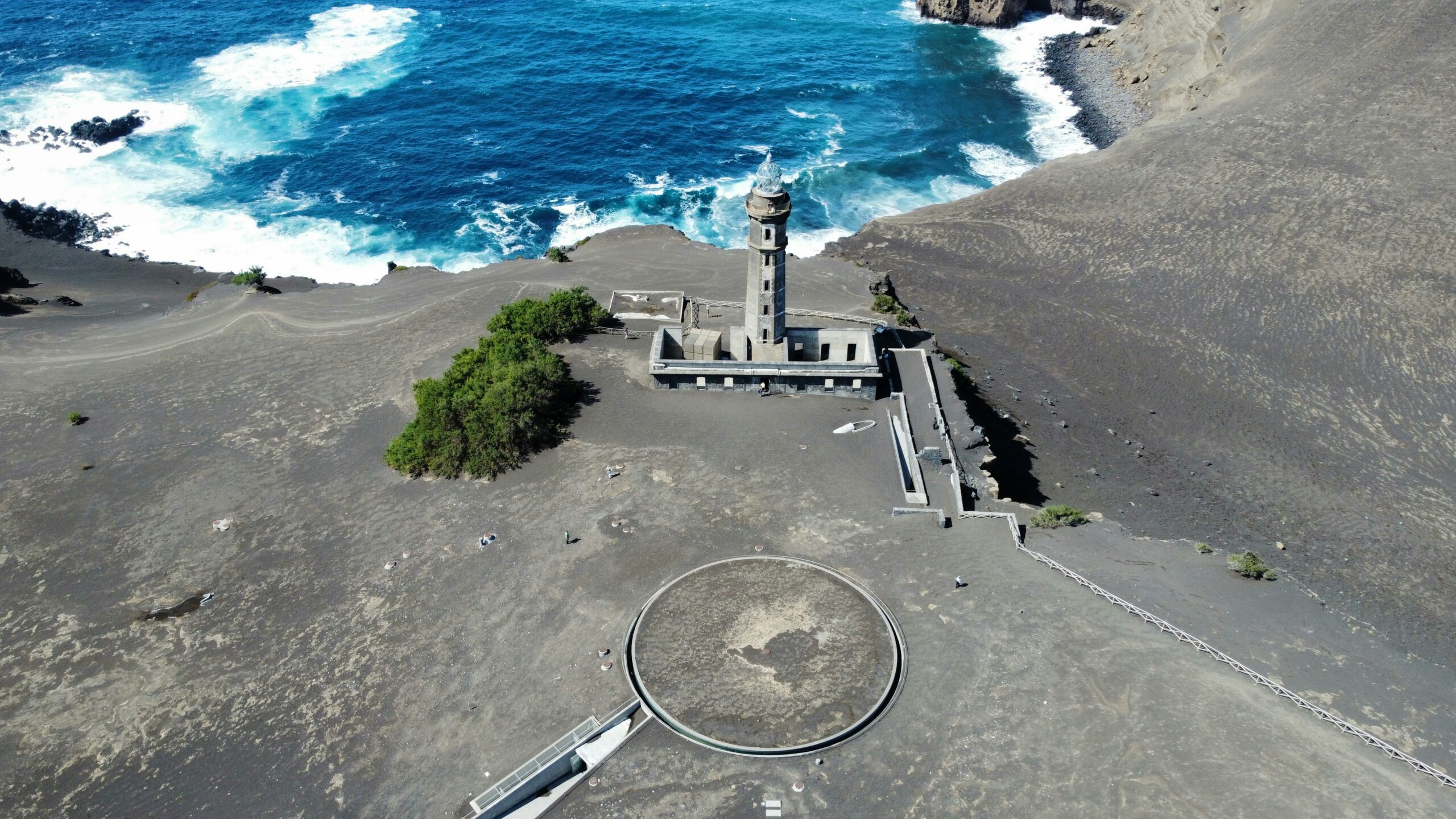
Faial is renowned for its volcanic landscapes, with the Capelinhos volcano being one of the most striking features. The 1957–58 eruption dramatically reshaped part of the western coast, leaving a lunar-like terrain now preserved in the Capelinhos Volcano Interpretation Center. Visitors can explore crater rims, volcanic fields, and hiking trails that offer breathtaking views of the island and the surrounding Atlantic Ocean.
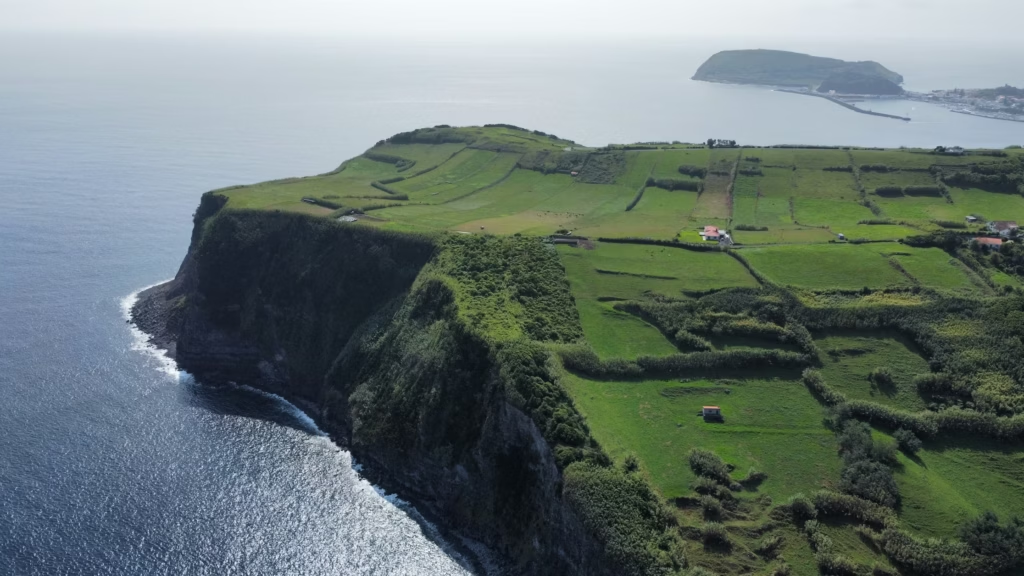
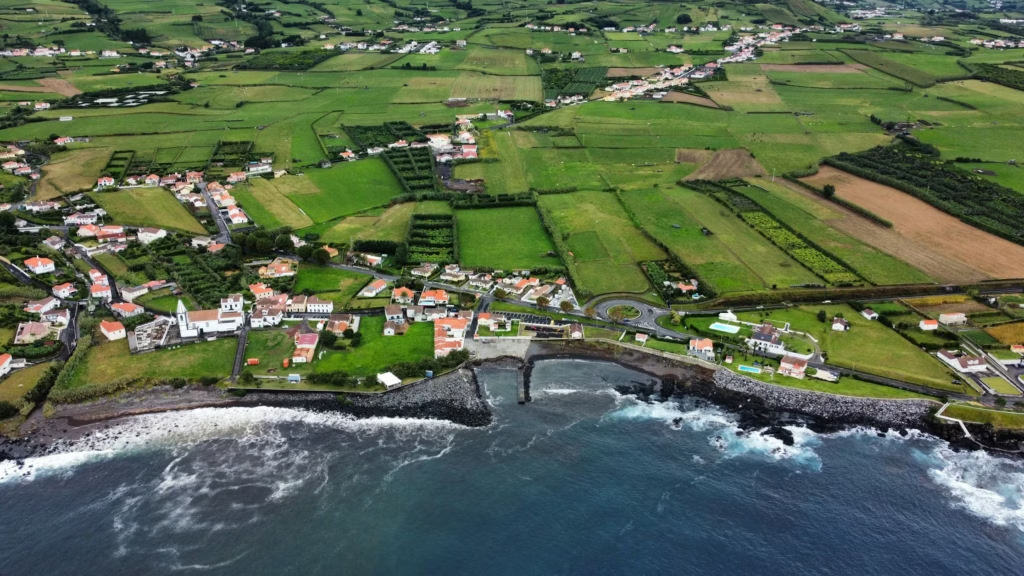
Beyond its dramatic scenery, Faial captivates with its natural beauty, traditional villages, and local culture. Lush valleys, verdant pastures, and hydrangea-filled fields create a colorful and tranquil setting. The island’s gastronomy, featuring fresh seafood, locally grown vegetables, and traditional pastries, allows visitors to savor authentic Azorean flavors. Faial combines history, nature, and culture, making it an unforgettable destination in the Azores.