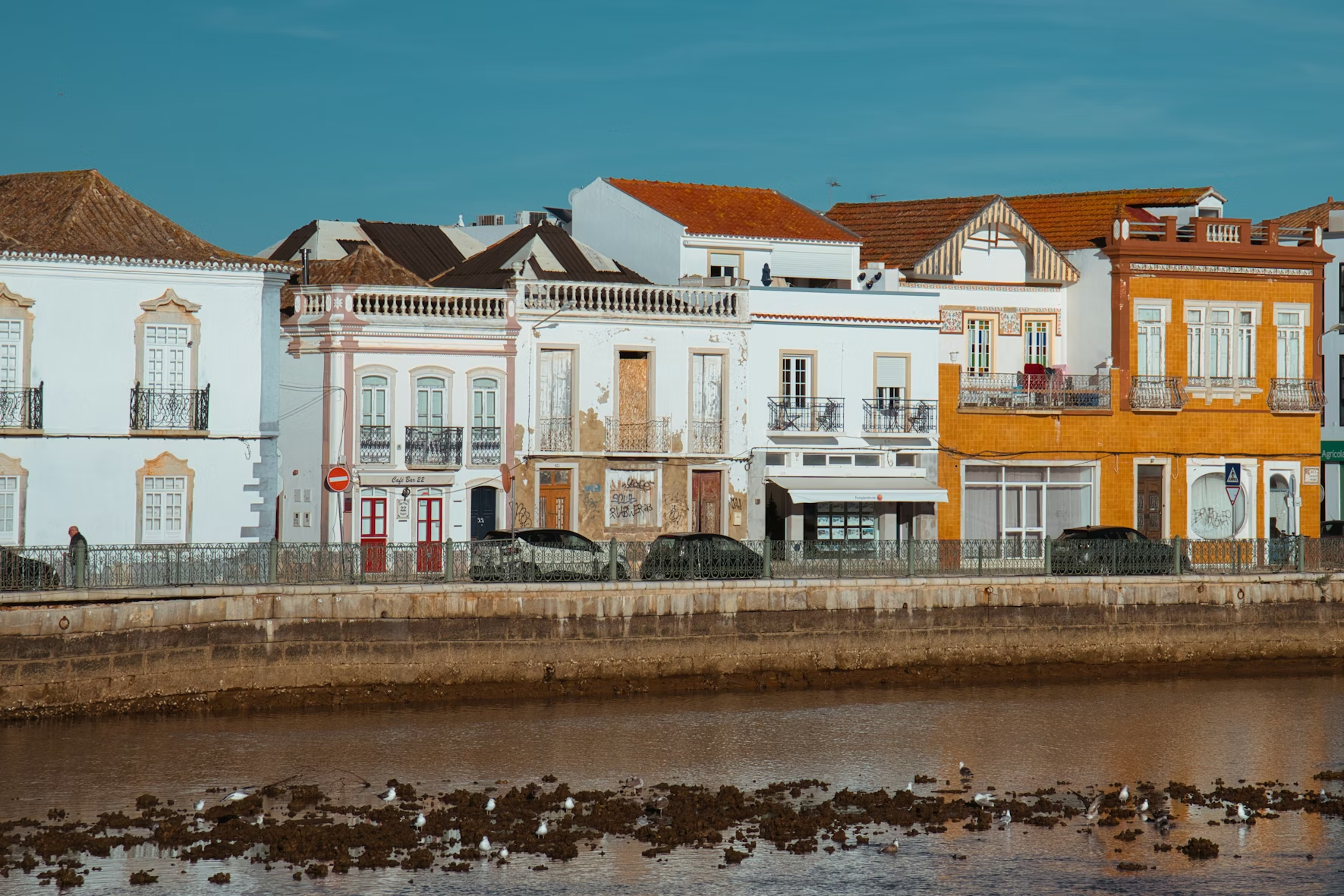
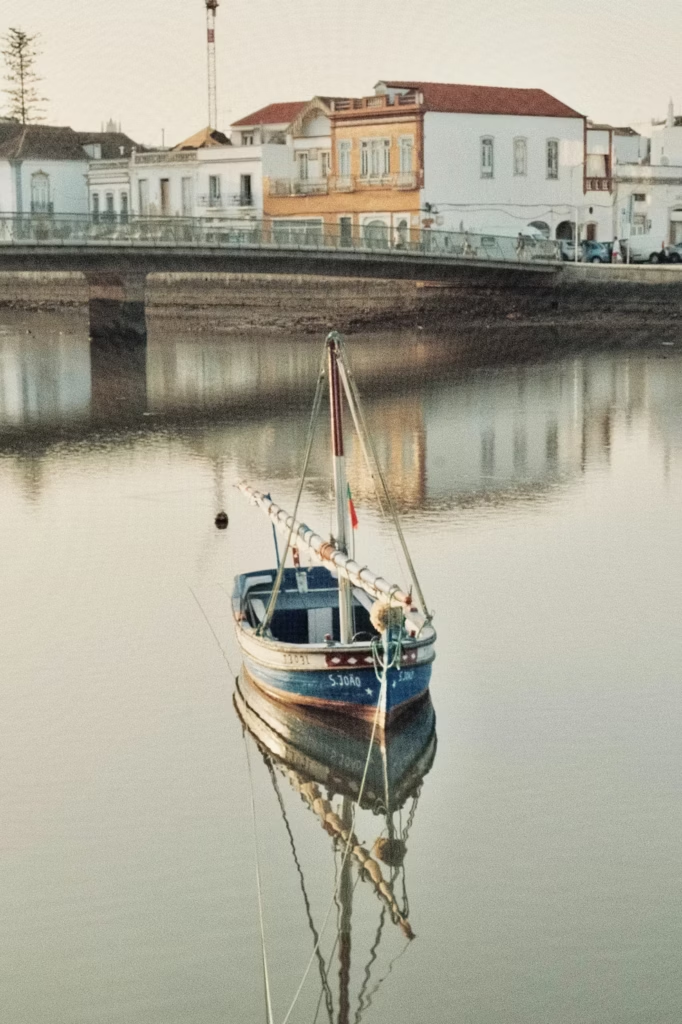
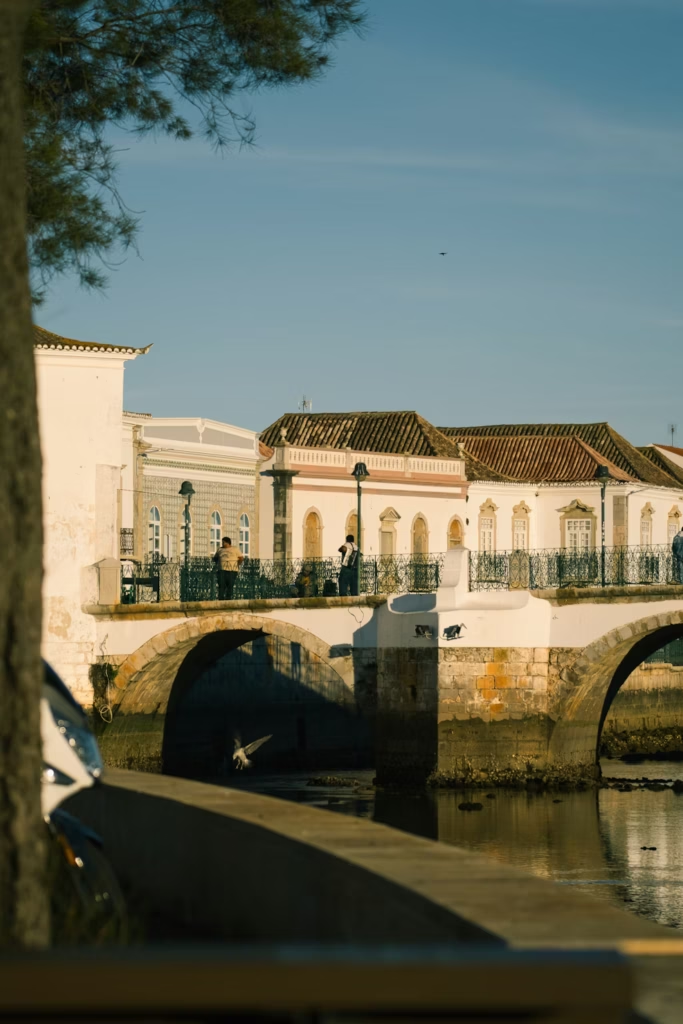
Tavira is one of the most charming and authentic towns in the Algarve, gracefully set along the banks of the Gilão River. With its traditional whitewashed houses, tiled roofs, and elegant facades, the town preserves a timeless atmosphere that reflects its rich past. Often considered one of the most picturesque destinations in southern Portugal, Tavira offers a harmonious blend of history, culture, and natural beauty.
Population: 27.600 inhabitants
The origins of Tavira date back to ancient times, with Phoenicians, Romans, and later the Moors all contributing to its development. Under Arab rule, the town flourished as an important commercial and defensive center, leaving a lasting influence that can still be seen in its urban layout and architectural elements. Following the Christian reconquest in the 13th century, Tavira continued to grow in importance, particularly as a fishing and trading port.
The town is renowned for its architectural heritage, with more than thirty churches scattered throughout its streets, reflecting different periods and artistic styles. Landmarks such as the medieval castle, the Roman bridge, and the many Renaissance and Baroque buildings give Tavira a unique character. Strolling through its cobbled streets, visitors encounter quiet squares, historic mansions, and traces of the town’s layered history at every turn.
Regional delicacies
Octopus Dishes; fish; Almond and Fig Products
Beyond its cultural treasures, Tavira is also a gateway to the natural beauty of the Ria Formosa. Just across the lagoon lie the pristine beaches of Ilha de Tavira, with their golden sands and clear waters, offering a peaceful escape from the mainland. Combining history, authenticity, and a close connection to nature, Tavira remains one of the Algarve’s most captivating and unspoiled destinations.
Not to be missed ...
Historic Center; Roman Bridge; Tavira Castle; Ria Formosa Natural Park; Ilha de Tavira