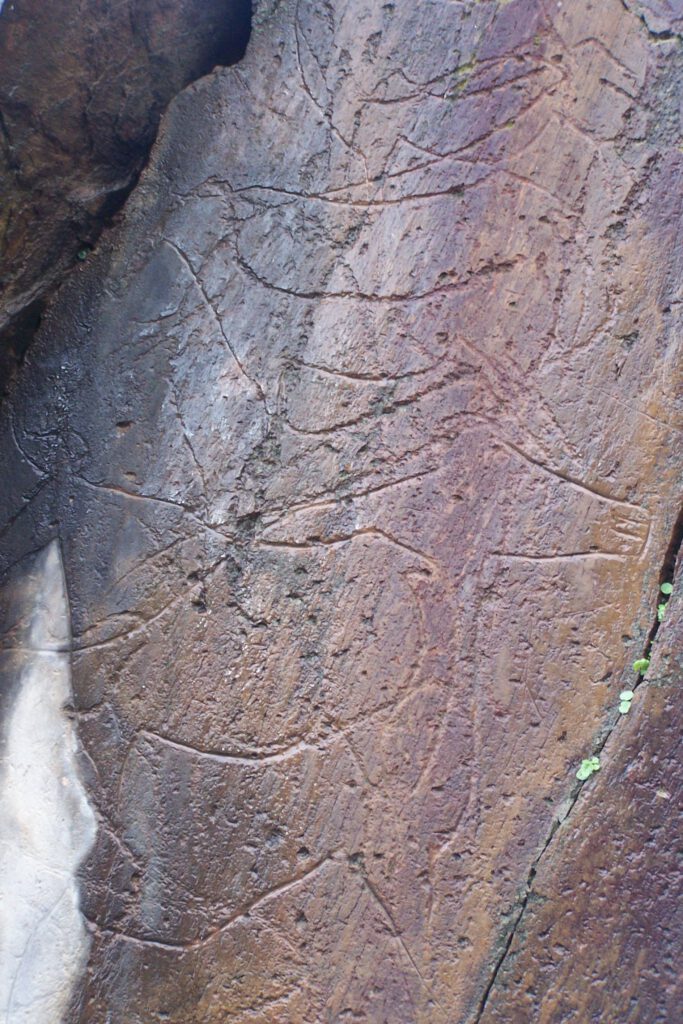
At its roots, Vila Nova de Foz Côa, often simply called Foz Côa, takes us back to the time of Paleolithic man. With simple tools and remarkable skill, early inhabitants engraved their visions into the hard schist rock, creating what is now the largest open-air rock art site in the world. Classified as a UNESCO World Heritage Site, this extraordinary sanctuary stands as a unique testament to humanity’s earliest forms of symbolic expression and the dawn of culture.
Population: 7.500 inhabitants
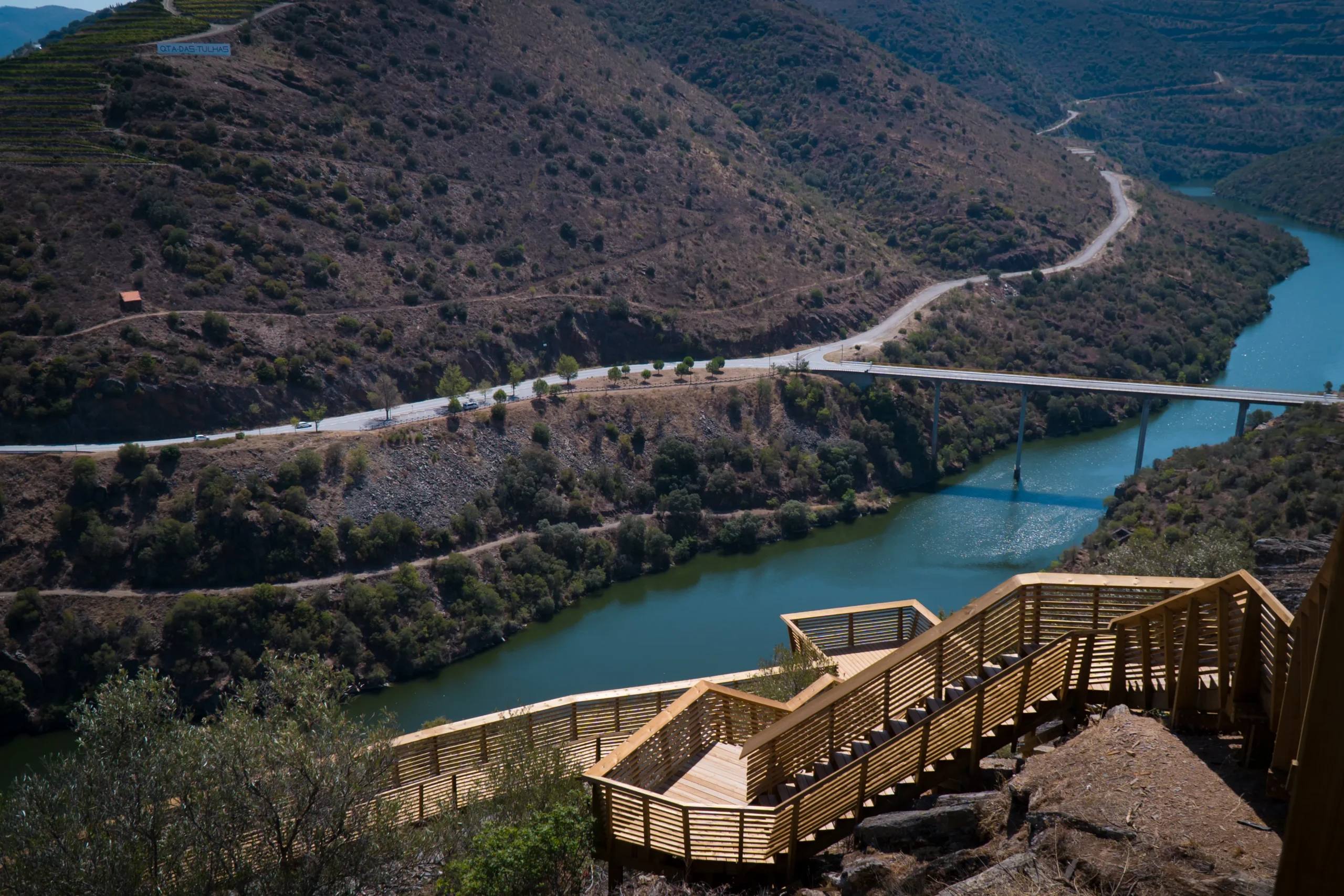
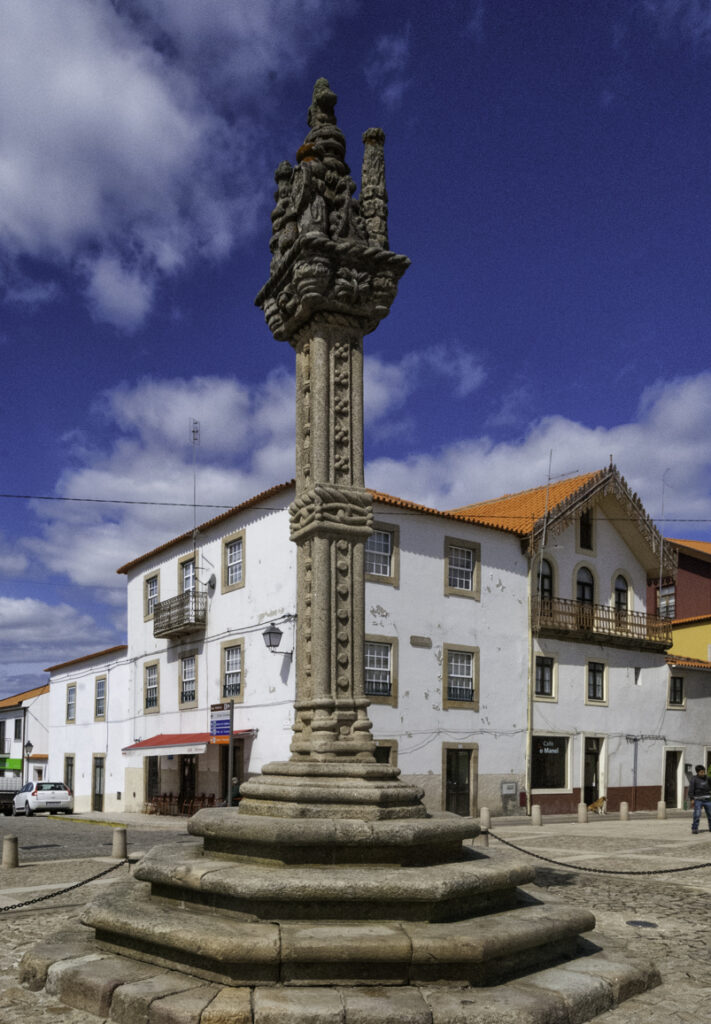
Located in the Guarda district in northern Portugal, Foz Côa is a small town with just over 7,000 inhabitants, surrounded by landscapes of striking natural beauty. The region is characterized by olive groves and vineyards, which define both its scenery and its way of life. Among its notable landmarks are the Castle of Numão, the town’s pillory, and the main church. A visit to the Côa Museum and the Archaeological Park is essential, offering a fascinating journey into the Paleolithic era and the chance to see rock engravings that date back more than 25,000 years.
Traditional handicrafts, once an important part of daily life, have largely faded over time, leaving behind only traces of pottery, spinning, and embroidery. To better understand this cultural heritage, a visit to the Ethnographic Centre at the Casa Grande de Freixo de Numão is highly recommended, preserving the memory of these ancient practices.
Regional delicacies
Cabrito Assado; Bacalhau Assado no Forno; Migas de Grelos; Lampreia de Ovos
If possible, plan your visit between February and March, when the almond trees are in full bloom. During this time, the landscape is transformed into a stunning display of white and pink blossoms. Be sure to also savor the region’s local products, particularly its high-quality olive oil and excellent wines, which perfectly reflect the character of this unique land.
Not to be missed ...
Vale do Coa Archaeological Park; Numão Castle; Côa Museum; main Church