Viseu is a city whose origins date back to the Castro period. Marked by the grey tones of its stone architecture, it is also rich in natural beauty, warm in character, and lively in atmosphere. Today, it is often regarded as one of the Portuguese cities with the highest quality of life, combining history with a strong sense of well-being.
Population: 99.500 inhabitants
According to legend, during the Christian Reconquest, a warrior arriving at the site where the Pavia and Dão rivers meet asked, “What do I see?” (Que viso eu?), a phrase believed to have inspired the name of the city. With Roman occupation, Viseu gained strategic importance due to the intersection of important roads. Remains of this past can still be found, such as along Rua do Arco. This significance may also explain the construction of the remarkable Cava de Viriato, an octagonal defensive structure with a perimeter of about two kilometres.
Viseu is closely linked to Viriato, the legendary Lusitanian hero who is believed to have been born in this region. Following the Roman period, the city was occupied by the Moors in 711 and became a contested stronghold during the Christian Reconquest, frequently changing hands between Muslim and Christian forces. Its central position on the Planalto de Viseu has long contributed to its strategic and administrative importance.
Regional delicacies
Rancho à moda de Viseu; Migas à Lagareiro; Papas de milho; Trufas do Paiva; Pasteis de Vouzela; Castanhas de Ovos de Viseu; Caçoilinhos do Vouga
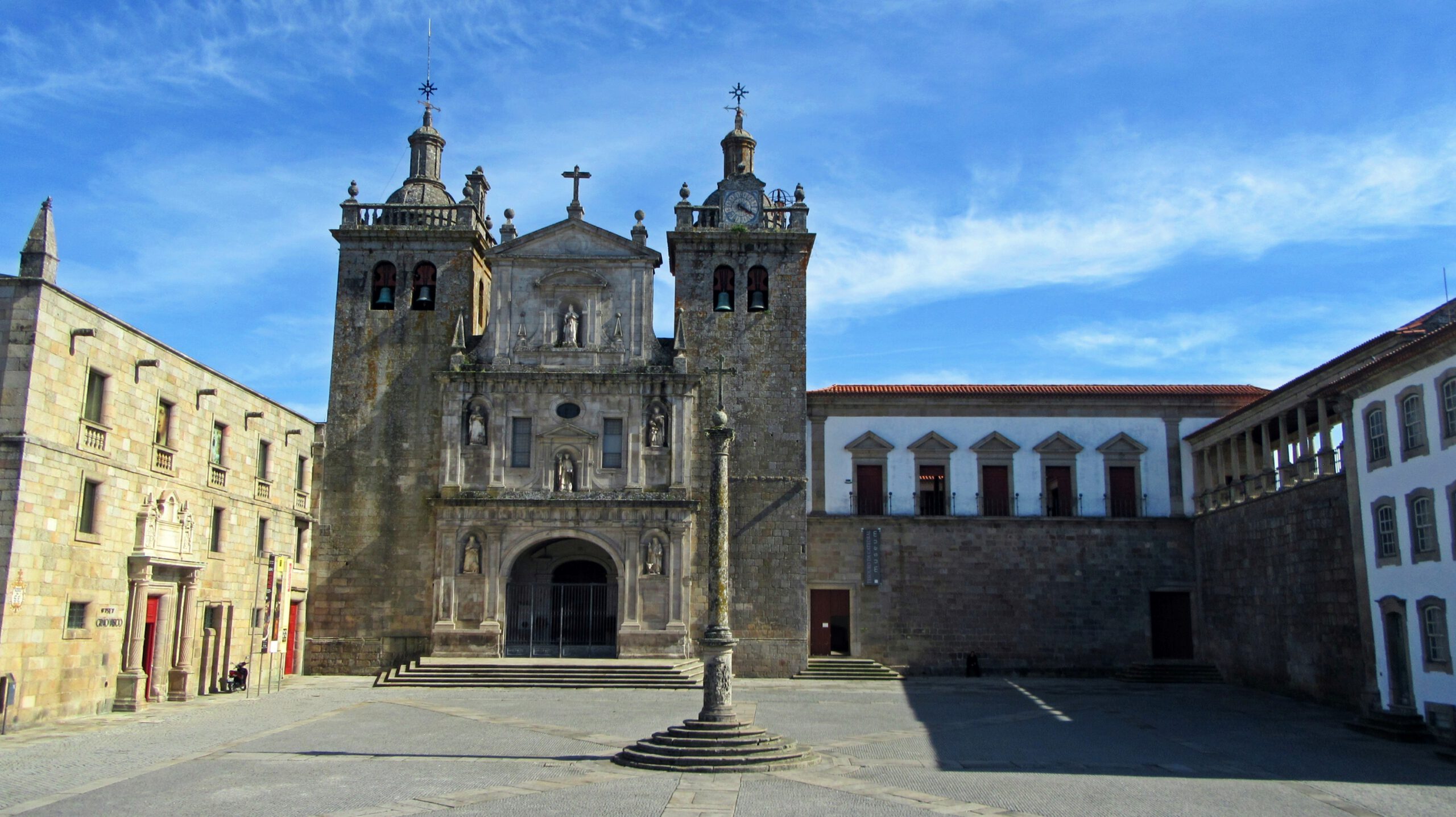
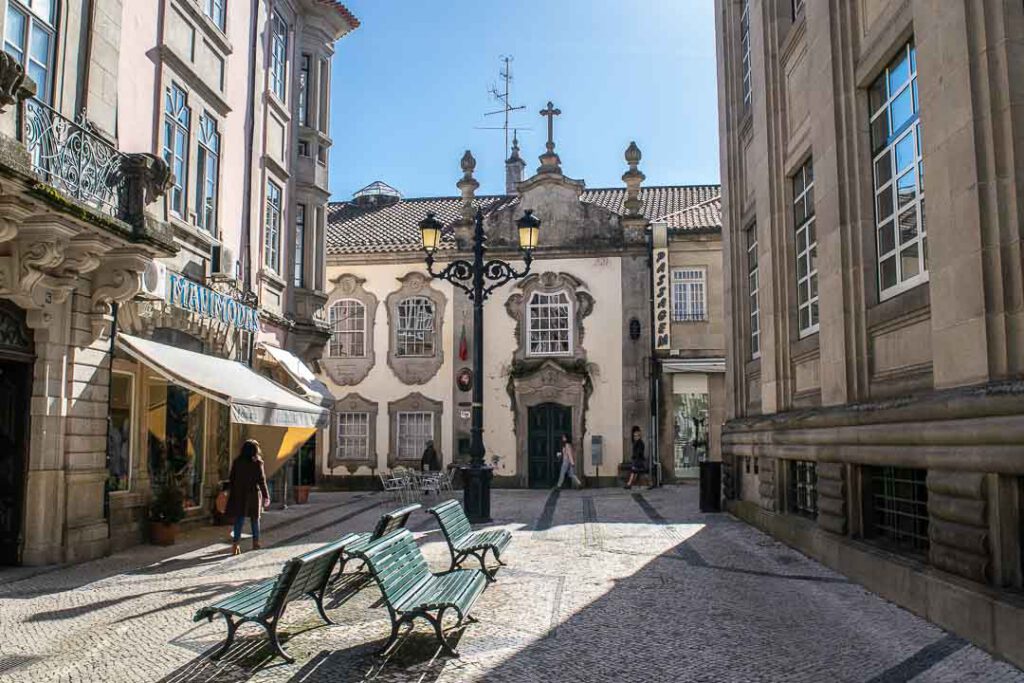
Dominating the historic centre is the Viseu Cathedral, dating from the 13th century and rising prominently within the old city walls. Around it, the historic centre unfolds in a maze of narrow streets, lined with noble houses and traditional buildings that descend from the Cathedral Square. Alongside its rich heritage, Viseu is also known for its diverse and flavourful gastronomy, making it not only a cultural destination but also a delight for lovers of traditional Portuguese cuisine.